




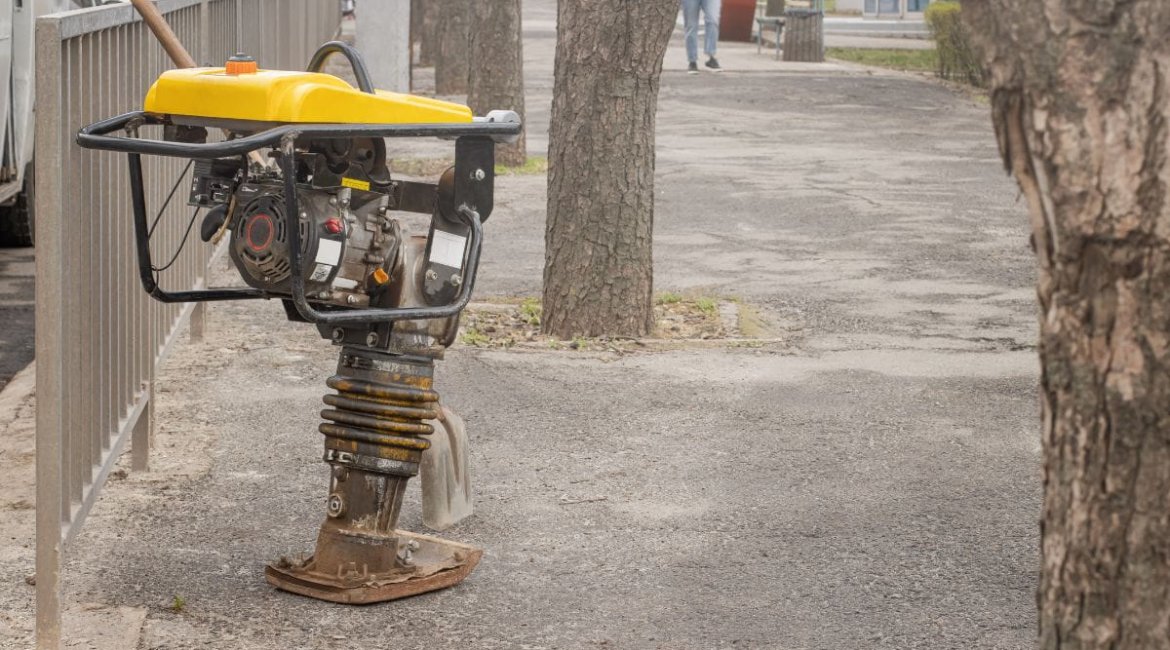
Rammers, like plate compactors, are used in the construction industry to compact a wide array of materials, such as soil. Compacting soil and preparing surfaces are essential for the creation of long-lasting and stable structures.
Whether a contractor is preparing a driveway, compacting trenches for plumbing installations, building a patio foundation, or repairing stretches of pavement, utilising suitable-sized rammers can make an enormous impact on efficiency, strength, and overall construction quality.
If you have worked on residential construction projects, you likely already know that work will take place in confined spaces where heavier equipment cannot operate. Rammers are useful due to their compact design, allowing you to work in confined areas that machinery like plate compactors simply cannot reach or fit.
The compact design and powerful tamping action allow contractors and homeowners to achieve excellent soil compaction even in narrow trenches, around foundations, and tight landscaping areas. But not all rammers are made for the same type of work. The right size selection depends on the soil conditions, size of the task, work zone, and the depth of compaction that is required.
Knowing exactly what rammers are best suited to residential projects will allow you to avoid eventual ground settlement, cracking, and structural instability. It may additionally improve productivity and reduce operator fatigue and equipment wear.
Why Residential Projects Need Proper Soil Compaction
The vast majority of residential construction problems start underground. Improperly compacted soil can eventually shift or settle, damaging newly laid paving, retaining walls, walkways and building foundations. Housing developments might seem smaller than tasks associated with commercial construction, but the need for stable ground preparation is just as significant.
A rammer is specifically used for the compaction of cohesive soils. These soils include clay or mixed soils, which deliver an intense impact force. However, rammers are not as well-suited to granular materials. In those cases, plate compactors provide a forceful vertical blow that penetrates deeper into the ground. These machines are great for residential projects that require trenches, utility lines, foundation edges, and tight work areas.
Different Sizes Available
Rammers come in various sizes and weights, with each model designed for specific compaction requirements. The compactor size affects the impact force, manoeuvrability, working depth and suitability for different projects.
Smaller compactors are usually lighter and easier to handle or work with. They are perfect for smaller residential jobs where access or work areas are limited, and accuracy is top priority. Bigger compactors have more power and compaction depth, but can be more difficult to control in tight spaces.
Rammers in the 60 kg to 75 kg range are the most popular for residential contractors. These weight ranges provide a good combination of power and ease of use. They can handle residential applications without being considered too heavy or difficult to move.
A Compact Rammer For Smaller Residential Projects
For smaller residential jobs, you need lightweight compacting equipment that can get into tight places. Some of this compact equipment is still easy to move and operate, which is ideal for projects like compacting soil in trenches.
A good example of a compact residential rammer is the Baumax RM60R 65kg Rammer. This model weighs 65 kg and is suitable for homeowners and contractors working on smaller residential projects where manoeuvrability is important. You might be tempted to purchase a larger, more expensive model, assuming it will be more useful for larger projects as your business grows.
However, there are a number of advantages to owning and using a lighter rammer for residential projects. It is easier to load and unload, to move through tight side passages, and to work with less fatigue on long and demanding jobs. Smaller rammers are also less likely to damage surrounding structures or landscaping features when working near walls or garden beds.
If you are considering building garden pathways, utility trenches, fence post areas, landscaping prep or driveway repairs, a smaller compactor or rammer is most suitable. Your rammer will compact any cohesive soil you need to prepare.
Medium-Sized Rammers For General Residential Construction
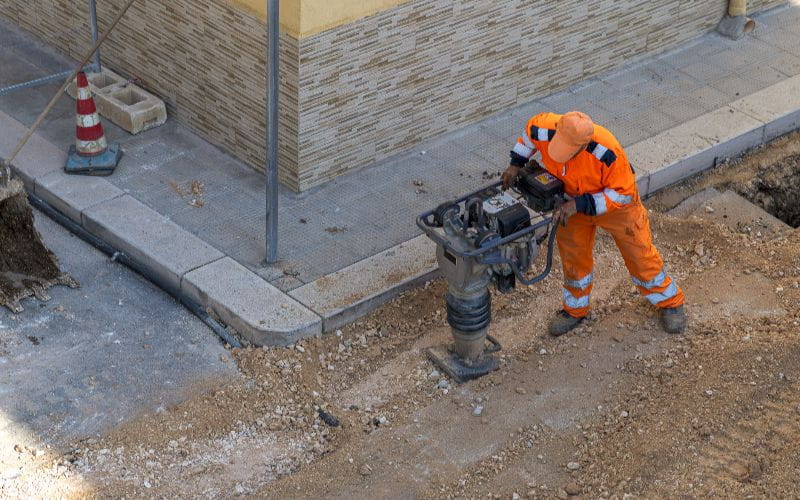
Medium-sized compactors are usually the most versatile option if you are interested in a compactor for residential work. They are considered the best option as they provide enough compaction force but can still be used for smaller job sites.
If you’re interested in a medium-sized rammer, we recommend the Baumax RM75BH Tamping Rammer with Honda Engine. This fine piece of equipment is a reliable choice for contractors who do a variety of different construction work. Its heavier weight and Honda engine can endure intense compaction jobs. We recommend a medium-sized rammer if the majority of your work includes driveway foundations, retaining wall bases, patio constructions, larger plumbing trenches or septic system preparation.
Medium-sized rammers have a greater impact force that allows for deeper compaction and helps reduce the risk of future soil movement. Residential contractors choose these rammers because they are suitable for small and medium-sized projects and do not require bigger commercial machinery.
Honda-powered rammers are widely used for their fuel efficiency, reliability and easy maintenance requirements. Contractors who work on residential sites day in and day out often select Honda-powered equipment for long-term operational dependability.
How To Choose Rammers Based On Soil Type
The best size rammer for a residential site can also depend on the type of soil. Various types of soil will respond differently to compaction equipment, and an incorrect size can decrease efficiency or result in undesirable outcomes. Clay soils tend to be firm and retain moisture, which means a concentrated impact force is needed to achieve compact form. Here, a rammer will work very well due to its deep penetration into compacted layers with a vertical tamping motion.
If you work with mostly sandy soils, you may not always require a large rammer, as these materials compact more easily. However, a medium-sized rammer is ideal for residential projects with mixed soil conditions, as they provide flexibility when working over a variety of ground types.
In all honesty, this will most likely be the situation you find yourself in, as soil type can vary greatly even in the same neighbourhood. If you are working with a majority of wet soil conditions, you may require more passes of compaction, regardless of the size of the rammer, to force the moisture to the surface.
Engine Options And Performance
Today’s rammers are available in a variety of engine configurations that affect performance, maintenance and operating costs. Depending on the volume of work they have to do and how often they work, contractors often have to decide between the higher-end engine brands and more economical substitutes.
The Baumax RM75BB Tamping Rammer with Baumax Engine is a cost-effective option for contractors and homeowners who need both reliable compaction and quality performance for their projects. Baumax models have superior engine quality. Known for reliable starters and fuel economy. Contractors who use rammers or compactors on a regular basis may want to focus on premium engines, whereas those who use them less often may want to focus on ease of use and affordability.
Residential Projects Where Rammers Are Used
Driveways within residential communities need a solid foundation to prevent cracking and sinking over time. You can use your rammer to assist in compacting the subbase material prior to paving or laying concrete. Effective compaction helps to distribute the weight and extend the longevity of the driveway.
Patios and paving stones also require firm soil preparation. Uneven settling can quickly ruin the appearance and structural integrity of paved surfaces. You can use your rammer to create strong, flat bases for outdoor areas.
Narrow trench excavation is typically required to construct or install standard piping, septic tanks, power lines, and standardised irrigation systems. These restricted spaces are perfect for ramming backfill material. Properly compacted trenches prevent the collapse of soil and depressions that develop on the surface.
Garden paths, edging, decorative stone areas, and lawns are often prepared by landscaping contractors using rammers or compactors. The equipment enables operators to work efficiently without damaging surrounding features. Residential building foundations and small extensions need compacted soil to carry structural loads. Your rammer can be used to stabilise the ground around footings and foundation edges to create sound structures.
Protect Yourself And Your Workers With Safety Gear
In residential construction, the safe operation of a rammer is extremely important. These machines create a significant amount of vibration and impact force, so it is recommended to have the right protective gear. Always ensure that you or your workers wear steel-toe safety boots when working around heavy equipment and uneven terrain.
Gloves are protective, improving grip and limiting exposure to vibration during long periods of use. Always use safety glasses as they prevent injury from dust, stones, and other debris.
If you are not already aware, compactors produce high levels of noise that can damage hearing after prolonged exposure; thus, hearing protection is advised.
Dust masks or respirators may be required when compacting dry soil conditions that generate airborne particles. High visibility clothing enhances safety on active residential construction sites where vehicles and machinery may be operating nearby. Wear hard hats when working around excavation areas or overhead hazards.
Safe Operating Tips For Residential Rammer Use
Safe operation of a rammer is particularly important when used in residential building projects, where space is usually limited. Your rammer should be checked prior to use for loose bolts, fuel leaks, damaged components or worn tamping shoes. Regular inspections can help prevent accidents and mechanical breakdowns.
The work area should be clear of unnecessary obstacles and bystanders. Never allow children or animals near operating compaction equipment. Workers should always hold the rammer firmly and allow the machine to move naturally when in operation.
Working the equipment excessively can result in less effective compressive force and more operative fatigue. Sloped areas require extra care as rammers can become unstable on uneven ground. Wet conditions can also reduce traction and increase the risk of falls.
Start Your Next Project With BS Power Rammers
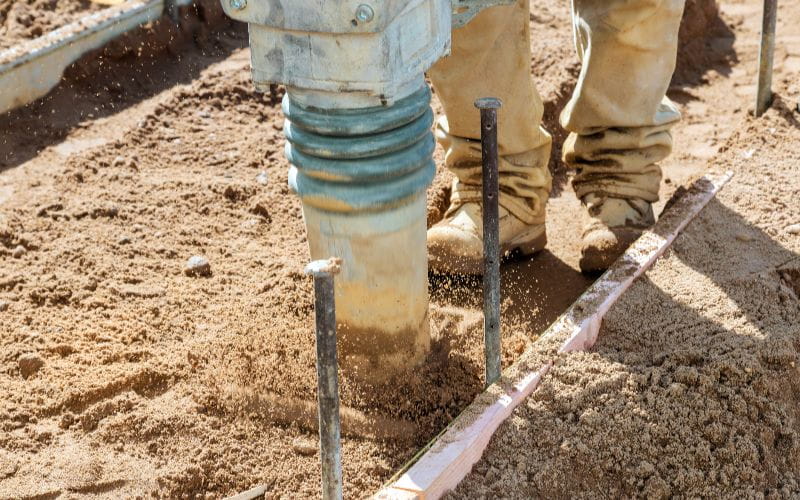
A rammer continues to be an essential piece of equipment in residential building and construction, providing the necessary forceful compaction required to create stable and durable surfaces. From driveways and patios to utility trenches and retaining walls, residential projects are all heavily dependent on proper soil preparation.
Selecting the appropriate size rammer can be affected by various factors such as soil type, project scale, accessibility, and operating frequency. Smaller compactors are appropriate for landscaping and narrow spaces, whereas medium-sized compactors allow for more versatility and deeper compaction for larger residential applications.
At BS Power, we offer our clients practical solutions and dependable equipment for residential compaction. Our Baumax range includes durable models such as the Baumax RM60R 65kg Rammer, the Baumax RM75BB Tamping Rammer with Baumax Engine, and the Baumax RM75BH Tamping Rammer with Honda Engine, all reliable options for different residential building needs.