





The versatility of a concrete mixer is often overlooked, but if you know how to use it correctly, you can get much more out of it than just mixing concrete. Purchasing a concrete or cement mixer is more than just purchasing a device for a single purpose. From mortar and plaster to other specialised mixes that can save you time and effort, you are getting a tool that can support a variety of building and do-it-yourself applications.
You will start to see the importance of your mixer, on the job site or at home during projects, especially when you realise its actual capabilities. If you use your mixer correctly, it can become the foundation of your workflow, whether you are a contractor overseeing several builds or you are working on your own renovations. In this article, we will discuss the different applications of a concrete mixer and how its versatility stretches further than most realise.
How Your Concrete Mixer Works
The first step to unlocking your mixer’s potential is understanding its capabilities. By understanding how your mixer works, you can use the same machine to mix other materials. The purpose of your mixer is to mix aggregates, cement, and water into a uniform mixture by rotating materials in a drum. A mixer can produce consistent batches without the need for manual labour. This is mostly due to the rotating action.
The final mix or batch is influenced by the moisture content, load size, and rotational speed. You can successfully modify your mixer for a greater variety of uses if you apply the same knowledge to other materials. According to research from the National Institute of Standards and Technology, the strength and durability of materials are directly impacted by uniform mixing. The research also demonstrates that your mixer is essential to getting consistent results, whether you are mixing plaster, mortar, or concrete.
Using Your Concrete Or Cement Mixer For Mortar
Mortar is one of the most popular substitute applications for your mixer. A uniform mortar mixture is simple to apply and strong enough to hold structural components together. A strong mixture is required when laying bricks or blocks, and that’s precisely what your concrete or cement mixer can provide.
You will need to modify your ratios when using a concrete or cement mixer for mortar. Without the larger aggregates found in concrete, mortar usually consists of cement, sand, and water. When mixed incorrectly, you might end up with an inconsistent batch of clumped materials. When mixed correctly, the mixture will be smoother and easier to work with.
Your mixer should always be properly loaded. Add water first, as this will prevent materials from sticking to the sides or bottom of the drum, then progressively add cement and sand. The correct loading method will guarantee uniform distribution and keep your concrete mixer from clumping.
You can cut waste and increase overall productivity when you properly operate your mixer.
Another method to lessen physical strain is to use your mixer for mortar. Your mixer will take care of the heavy lifting, allowing you to focus on accuracy and speed.
Can Your Concrete Or Cement Mixer Handle Plaster?
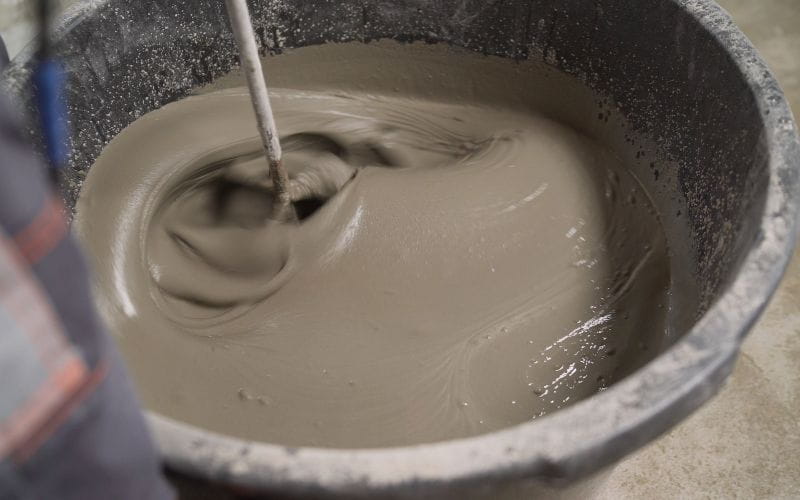
Plaster can easily be mixed with your concrete or cement mixer, but you must be cautious. Compared to mortar or concrete, plaster mixes are finer and more delicate. You can still use your mixer, but before changing materials, you need to give it a thorough cleaning.
Avoid overloading your concrete or cement mixer when using it to mix plaster. Plaster needs a smoother consistency, so smaller batches will lead to better results. To avoid air bubbles or uneven mixing, your mixer should rotate steadily. Always ensure your mixer is placed on a steady surface.
According to research published by the American Concrete Institute, the performance of cement-based materials is greatly impacted by mixing techniques. The institute’s findings emphasise how crucial it is to modify the amount of materials you use based on the type of mixer you own. You can obtain a smooth finish that works well on walls and ceilings when the ratio of the mix is correct. Your mixer will be useful when mixing plaster for finishing work.
Your Mixer Can Be Used For Other Materials
Your mixer can be utilised for more than just mortar and plaster. If you haven’t been utilising it for other materials, consider saving that extra time with the same machine you use for concrete.
Your concrete or cement mixer can be used to make screed, which is often used for flooring. Most contractors might not consider using their mixer for this purpose, but it can be a real time saver. A mixer ensures that the batch is mixed evenly and spreads easily. This will make your flooring projects stronger and quicker to finish.
For the real do-it-yourself enthusiast, you can use the same mixer when working on landscaping projects. You can also use your concrete or cement mixer to mix compost or soil. This isn’t a common use, but your mixer will be able to mix organic materials well, which saves you time and physical strain.
You should always clean your mixer well between uses, especially when you use it for other materials. Cleaning the drum properly will ensure future mixes are not contaminated with unwanted debris or dirt. By using your mixer for more than just concrete, you can obtain the best value from your investment.
You will save valuable time eliminating the tedious task of mixing the concrete by hand. As mentioned, your concrete or cement mixer ensures that every batch is the same, making your work more consistent. Eliminating the task of hand mixing means you can cut down on labour and the extra expense of wages. You will be boosting productivity. You can finish projects faster without sacrificing quality if you use your mixer correctly.
There are a few important factors to keep in mind when using a mixer for alternative projects. Consider the volume of your mixer. You shouldn’t overload your mixer. Always remember that different materials have different densities. Overloading your machine can lead to engine failure and inconsistent batches. Keep an eye on how long you mix the batch. Depending on the material, your concrete or cement mixer may need to mix for more or less time.

Common Mistakes Made When Using A Concrete Or Cement Mixer
Using the wrong ratios is a common mistake. If you don’t use the right mix of materials, the machine cannot create a usable mixture. Another common mistake is not keeping up with maintenance. You need to clean and maintain your concrete or cement mixer on a regular basis.
By avoiding regular maintenance, your mixer could break down or lose power. Do not rush the process when mixing a batch. The machine needs enough time to create a smooth mix. Shortcuts will affect the quality of the mix, and in the end, your work results will be subpar.
By using your mixer for more than one purpose, your whole workflow will be more efficient. You don’t need separate tools to go from mixing concrete to mixing mortar. You can make plaster quickly and easily without having to do it by hand. With your mixer, you can easily switch between tasks, which saves you time and energy.
This is what makes any concrete or cement mixer a good investment: it can be used for a range of mixtures. When you use your concrete or cement mixer to its full potential, you gain that competitive edge in both DIY and a professional setting.
How To Adjust Mixing Techniques In Your Mixer For Different Materials
You need to change how you use your concrete or cement mixer for each material, especially when you start using it for more than just concrete. Alternative mixes require slight adjustments in your approach. When mixing mortar in your mixer, it needs to have a smooth and workable texture. This means that your concrete mixer needs to run a little longer to mix the smaller and finer materials all the way through. Keep an eye on the amount of water you use. Too much water will make the mix weaker and harder to use.
When using your concrete or cement mixer to create plaster mixes, the process requires accuracy. You will be able to mix smaller batches, but oversight will be required. If your mixer runs for too long, the plaster can start to set too quickly, which will change its appearance after being used. You should always keep an eye on the consistency of the mixer to prevent overmixing.
You will need to find a balance between moisture and structure, especially if you are using your mixer for screed. Your concrete or cement mixer should create a mix that is easy to spread but still holds its shape. Consider the order in which you load materials in your concrete mixer. Adding materials slowly allows for a uniform mix, ensuring all dry and wet materials are mixed together evenly without air bubbles or clumps.
The speed of your concrete or cement mixer will also make a significant difference to the outcome. If the drum spins too quickly, it can make the mix uneven or let air into the material, causing the material to crack once its set. If the drum spins too slowly, it might not mix the materials very well, requiring more time to achieve uniformity. Finding the right balance ensures that your concrete or cement mixer achieves the best results, no matter the material.
Is It Worth Using Your Concrete Mixer For Alternative Mixing Projects?
A concrete or cement mixer is capable of mixing a wide range of different materials. You can change your approach to work by learning how to use a mixer for mortar, plaster, and other materials. By using your mixer for more than just concrete, you will benefit from the value of the investment you made. You will also save time and improve the quality of your mixes.
Before starting that new do-it-yourself project or perhaps larger building projects, consider how you can save time by utilising your investment for more than its intended purpose. By utilising your mixer to complete tedious and time-consuming tasks, which, otherwise, would have caused extra physical labour and financial strain, you can practically increase the value of the asset you are in possession of. Learn how to use your concrete mixer to its full potential.
At BS Power, we stock a wide selection of robust, site-ready choices. We provide quality models that work for both small and large construction projects. Our Honda-powered 360L and 400L concrete mixers are popular for their fuel-efficient and consistent results. Whereas our heavy-duty Baumax 400L concrete mixers are known for handling tough job sites and accuracy, even after long-term use.
These high-quality concrete mixers have reinforced drums, strong chassis and reliable engines, making them reliable tools whether you are building something yourself or managing a professional construction project. For more information on our Baumax and Honda models, visit the BS Power website or contact us for any advice on alternative mixing projects.