




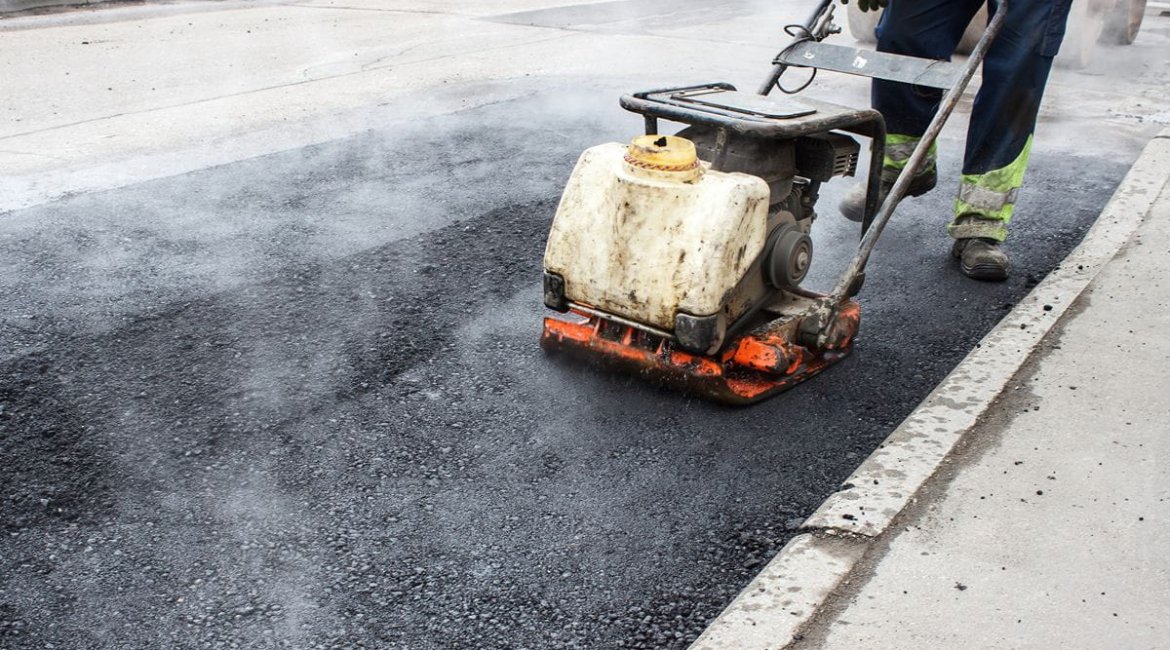
At the start of any construction project, rammers, otherwise known as compactors, make it possible to protect structural integrity. Compaction of soil,AR however, can pose a challenge to contractors due to changing weather conditions. Construction projects seldom occur under optimal conditions. Builders often encounter fluctuating temperatures, unpredictable rain, severe storms, and dry periods, which can affect the quality of their workmanship. Often, builders focus primarily on labour, materials, and project schedules, but weather conditions are another important variable that can impact construction success. That’s especially the case with soil compaction using rammers.
Rammers are needed to build stable ground for foundations, pavements, trenches, and other construction uses. Their ability to compact soil efficiently prevents movement, unstable structures, and costly restorations. However, even the best rammers can be affected by environmental conditions. Being aware of weather effects on soil compaction allows professional contractors to make better judgements and consistently deliver satisfactory results throughout the year-round.
Varying weather conditions are expected in a country such as South Africa. At BS Power, we understand the impact of temperature fluctuations, rainy seasons and, in some regions, freezing cold winters and their impact on the ability to compact or prepare soil for structural projects. In this article, we will cover the impact of different weather challenges on soil compaction and the most suited machinery for the job.
Why Weather Matters When Using Rammers
Compacting is not solely a matter of pushing soil down on the surface. The condition of the soil itself will have considerable impact on the effectiveness of compaction. The moisture, temperature and atmospheric conditions affect the interaction of soil particles with one another. The type of soil and how it interacts with the weather is where you should start.
Rammers have been developed to deliver a high impact force, compacting soil within trenches and confined spaces. The tool supplies the power needed for compacting, but the soil must be in a suitable condition to respond efficiently. Weather conditions can change soil qualities dramatically, which renders it easier or harder for rammers to achieve the density you are looking for.
The Impact Of Rain On Rammer Performance
Rain is one of the most common weather challenges on building sites. A small amount of moisture is necessary for compaction, but heavy downpours can be a grave issue. When the earth is completely saturated, the gaps among particles of soil are filled with water. The particles cannot move into a denser arrangement, and so the ground cannot pack together effectively. Rammers may simply push water through the soil rather than achieve solid compaction.
Excessively wet conditions can result in:
● Reduced soil density
● Uneven compaction
● Increased risk of future settlement
● Slower project progress
● Higher equipment wear
Building contractors believe that more passes with rammers will correct the issue at hand. Unfortunately, multiple attempts to compact saturated ground will yield little to no improvement. In certain instances, they can actually make conditions progressively worse by producing pumping effects where water is driven to the surface. When working shortly after rain, it makes more sense to inspect soil moisture levels before using rammers.
Dry Weather Challenges For Rammers
Contractors often believe dry environments are best for achieving compaction. Dry conditions mean no difficulties with mud or stagnant water, but very dry dirt possesses its own drawbacks. When soil lacks excessive moisture, the particles get progressively harder to rearrange into a compact structure. This will affect the efficiency of the rammer and working time.
Dry conditions may lead to:
● Reduced compaction efficiency
● Increased dust generation
● Greater fuel consumption
● Additional machine wear
● More labour requirements
Dust particles may result in operator ease and visibility-related problems. Builders often must take precautions to manage dust when rammers are used during long dry spells.
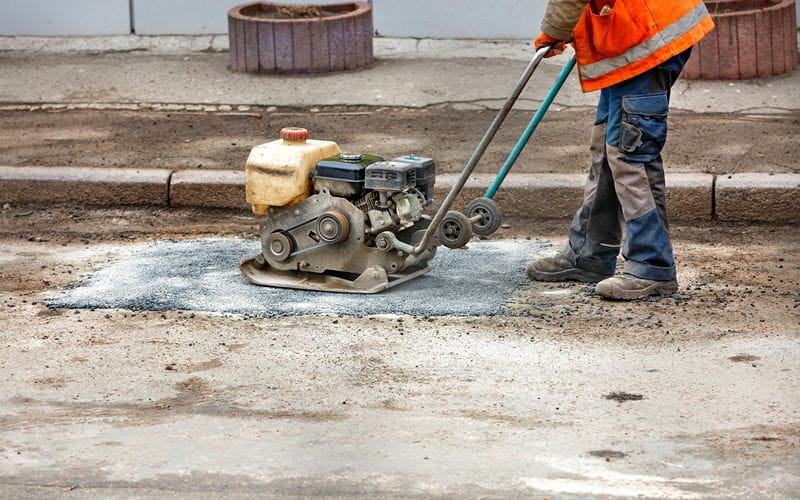
Wind Or Cold Weather And Compaction Performance
The impact force of a rammer isn’t directly influenced by the wind; however, the conditions on site in general might be. Strong gusts speed up evaporation, drying out the earth more rapidly. The result may impact compressive consistency and change moisture levels throughout the day.
Wind can additionally generate dust. Excessive amounts of dust frequently impair the operator’s ability to judge the progress of compaction and can create health and safety issues. Contractors should track weather predictions to plan for changes in site conditions.
Even if South Africa doesn’t have extreme winter weather conditions across most areas, colder temperatures can still impact compaction results. Colder temperatures prevent the evaporation of moisture and maintain appropriate soil conditions for longer periods. If combined with excessive moisture, project timelines may be delayed, ensuring proper moisture levels are attained before work progresses. Machinery such as rammers presents distinct challenges in each season.
During summer, it is typically scorching, and moisture evaporates rapidly. The soil conditions are susceptible to profound change during daylight hours, and close supervision is needed. Autumn may be marked by more stable weather with mild temperatures and an even spread of precipitation.
Winter conditions vary by region but could provide opportunities for favourable compaction where moisture levels are stable. This is often not the case in the Western Cape as winter is the rainy season. It is often unpredictable in the springtime in terms of weather, so flexible planning for the projects is important. Knowing seasonal patterns allows professionals to prepare for the challenges of each season.
BS Power Equipment For Changing Conditions
The weather conditions can influence the choice of equipment you may need. Based on the nature of soil, site limitations and environmental considerations, different projects require different compacting solutions.
The BS Power Baumax RM75BH Tamping Rammer with Honda Engine has been engineered to provide powerful compacting performance under demanding conditions. This machine was specifically built to be resilient and is ideal for contractors who need dependable operation in a range of site conditions.
The Baumax RM60R 65kg Rammer offers efficient compacting and good manoeuvrability, making it suitable for confined spaces and trench work. The compact construction allows operators to consistently achieve satisfactory outcomes even in demanding work environments.
For larger surface compaction jobs, the Baumax BS80 85kg Compactor with Water Tank and Baumax Engine is a suitable option. The integrated water tank is useful for applications where moisture control is required to achieve the best compaction performance. Choosing the right equipment guarantees that contractors stay productive in adverse weather conditions.
The weather impacts not just the soil but the equipment itself. Correct upkeep is the secret to having rammers working efficiently throughout the year. You need to regularly wash equipment in damp environments to remove mud and moisture. This prevents corrosion and minimises wear over time. During hot weather, regular inspections of engine cooling systems and air filters are especially important. Dust generated during dry periods can build up quickly and affect performance.
Planning Compaction Activities Around Weather Forecasts
An effective way to improve compaction results is to use weather forecasts to help plan projects. Modern forecasting systems give us useful details on forthcoming rainfall, as well as shifts in wind and temperature conditions. If you are a contractor, using this information will help you schedule compaction activities when the chances for success are greatest.
Planning ahead allows teams to reduce delays caused by harsh weather, improve their productivity, achieve greater quality results, protect their equipment, and reduce any required rework. Forecasts are not always right but are a good guide to help you make informed decisions on site.
Training Operators To Recognise Weather-Related Challenges
The quality of the machinery is important; however, operating proficiency is a significant component of successful compaction. Experienced operators are aware of the influence of weather on soil behaviour. They can identify circumstances which may alter the outcomes. Training allows teams to recognise signs of excessive moisture, insufficient moisture, and changing site conditions.
Being aware of these variables allows the operator to make modifications ahead of time, avoiding common problems. It is an initiative-taking approach that may enhance project outcomes and reduce the likelihood of expensive mistakes. Ignoring the weather when dealing with heavy machinery can have serious repercussions.
If compaction is not adequate, it may not be noticed right away; however, issues often show up after construction is completed. Potential consequences include structural instability and foundations settling, which leads to cracks and increased maintenance costs. These mistakes can cause project delays as well as damage to business reputation.
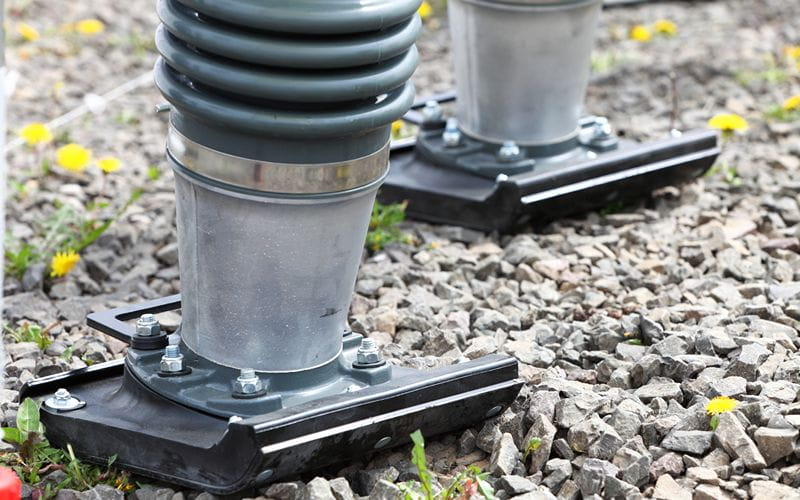
Resilient Rammers No Matter The Weather
Rammers are heavily influenced by weather conditions on building sites. The behaviour of soil and its compacting performance are impacted by rainfall, temperature, wind, and seasonal variations. Knowing these factors allows you to make informed choices to increase productivity while obtaining higher-quality project outcomes.
At BS Power, we supply reliable compaction tools that are designed to perform in the most challenging construction environments. Whether it is the Baumax RM75BH Tamping Rammers with Honda Engine, the Baumax RM60R 65kg Rammers or the Baumax BS80 85kg Compactor with Water Tank and Baumax Engine, you can be assured of machinery for efficient compaction performance, no matter the weather.