




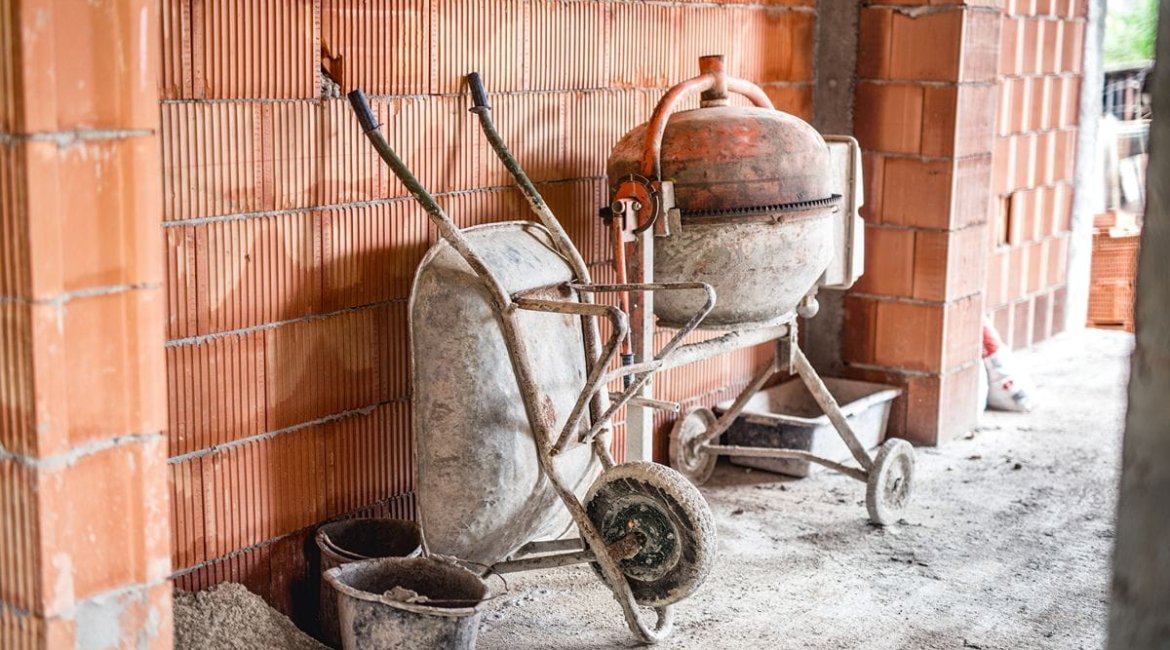
A concrete mixer is often heavily utilised on any construction site, allowing contractors and construction workers to produce consistent concrete quickly and accurately. However, even the most advanced concrete mixer may wear out prematurely and break down if not maintained and used properly. We have learned at BS Power that a quality machine is only part of the equation. Correct maintenance and proper operation are crucial for those who expect many years of reliable performance from equipment.
Equipment failures are often not due to manufacturing defects. They are, often, simply the result of common mistakes that wear parts down and cause inefficiencies. Being aware of these mistakes and taking steps to prevent them can increase the durability of your mixer, lower maintenance costs, and optimise efficiency for your projects.
Neglecting Regular Cleaning
A common mistake that reduces the lifetime of a concrete mixer is failing to clean it thoroughly after usage. Concrete solidifies quickly, and any material left within the drum can be particularly challenging to remove. The hardened concrete that builds up inside the drum also forms part of the total weight the machine must manage while it is operating. This puts an undue strain on an engine, its bearings, the gears, and the supporting frame. This extra pressure can lead to premature wear and decreased efficiency.
Many workers think a quick rinse is sufficient, but deep cleaning needs to be a part of every working day routine. Residual material may additionally influence the quality and consistency of the subsequent batches, posing further challenges on site.
Overloading The Drum
An excessive load makes the engine work much harder than it should. The drum itself is under greater strain, the moving components are rubbing against one another excessively, and the whole machine is being run harder than it was designed to operate. Excessive wear can occur on the gears, drive systems, bearings, and engine parts from continual overloading. It can also cause uneven mixing, which reduces the quality of the final finished concrete. Follow loading instructions stipulated by the manufacturer to secure your investment. Making sure the mixer is functioning at its intended maximum capacity can help to ensure reliable performance and a longer service life.
Ignoring Engine Maintenance
The engine is the core component of any motor-driven mixer but is often disregarded until an issue arises. If you want the equipment to last longer, it is highly recommended to keep the engine in good condition on a regular basis. Skipping oil changes, filter replacements, spark plug inspections, and fuel quality checks can cause a loss in performance and increased wear and tear. Routine servicing prevents small problems from turning into costly repairs down the line.
BS Power provides strong solutions, including the Baumax BS361 360L Mixer with Baumax RX200 2.1 Engine and Baumax BS361 Concrete Mixer with Honda GX160LX 2.1 Engine. Both models are intended for tough construction environments, but even high-quality equipment should be maintained well to work at optimum levels. Following a service plan assists with keeping your concrete mixing equipment operating smoothly and effectively while lowering the possibility of unanticipated breakdowns.
Operating On Uneven Ground
Working in construction, you already know most construction sites are far from level. Operating your mixer on excessively uneven surfaces will lead to several issues. When your mixer is not perfectly balanced, the components in the machine will experience extra stress, which over time accelerates wear on the frame and drum supports. In some cases, it can even affect the bearings and wheels.
The instability can cause tipping, posing a safety risk to workers. Inconsistent mixing will result in unusable batches. Whenever possible, ensure the mixer is placed on a level surface to prevent these challenges and reduce any mechanical strain.

Skipping Routine Inspections
A great deal of owners only check their concrete mixer when something appears wrong. Yet, waiting for a malfunction to occur usually leads to extensive and costly repairs. Regular inspections help you catch minor issues before they become significant issues. Loose bolts, worn belts, damaged tyres, leaking fluids, and odd sounds are often early warning signs that a fault is developing.
By checking your mixer regularly, you can fix these issues quickly and avoid further damage. A few minutes spent inspecting equipment can prevent considerable repair costs later. Consistent inspections further contribute to improving workplace safety and reducing unforeseen disruptions to project timelines.
Using Poor Quality Fuel And Lubricants
The quality of fuel and lubricants used can influence the service life of a conventional mixer. Dirty fuel can cause engine deposits, decreased performance and efficiency, and other challenges. Poor lubricating agents may not be able to safeguard sufficiently from heat and friction to slow down the wear of moving parts.
Following the recommended fuel and oil specs guarantees smooth engine performance and protects important components. It may seem like a greater initial cost to buy quality products, but overall, they will save money by reducing maintenance and prolonging the lifespan of your equipment. Your mixer is a worthwhile investment, and using the right consumables remains the best way to protect that investment.
Allowing Rust And Corrosion To Develop
Construction equipment is often subjected to moisture, cement dust, and harsh environmental conditions. Rust and corrosion can ruin a mixer over time if not properly taken care of. Corrosion can affect metal surfaces, structural components, and moving parts. Rust is the start of other maintenance problems.
Rust makes the machine weak. Suitable storage and routine cleaning are essential elements of deterring corrosion. Any exposed metal surfaces can be protected and damaged paint repaired, further reducing the risk. A mixer which has been properly maintained will serve you much longer.
Improper Storage Practices
The durability of a mixer is directly influenced by its storage conditions. When equipment is stored outside in the rain or direct sunlight, this can increase deterioration. However, over time, prolonged exposure to the elements can cause rust, faded finishes, cracked hoses and worn seals. Moisture can also influence engine components and electrical systems.
Store your concrete mixer in a sheltered place when not in use, if possible. Covered storage reduces maintenance requirements and helps protect the machine from environmental damage. Even simple safety precautions can make an enormous difference in the long-term condition of your equipment.
Using Incorrect Mixing Procedures
The durability of a mixer is directly influenced by its storage conditions. When equipment is stored outside in the rain or direct sunlight, this can increase deterioration. However, over time, prolonged exposure to the elements can cause rust, faded finishes, cracked hoses and worn seals. Moisture can also influence engine components and electrical systems.
Store your concrete mixer in a sheltered place when not in use, if possible. Covered storage reduces maintenance requirements and helps protect the machine from environmental damage. Even simple safety precautions can make a stark difference in the long-term condition of your equipment.
Delaying Necessary Repairs
Many workers are still using concrete mixers with obvious signs of wear or damage. This may be convenient in the short run, but it usually leads to more serious problems. A worn bearing can harm the parts around it. If a belt is loose, it can impact the engine’s performance. Small leaks can cause big mechanical failures over time.
Repairing in a timely manner avoids any further damage and reduces the overall maintenance cost. Waiting to make repairs usually costs more and cuts the service life of the equipment. If something goes wrong, taking immediate action can help you to keep your mixer working safely and effectively.
Choosing Equipment That Does Not Match The Application
Using an inappropriate mixer for the required workload might lead to excessive wear.
If the machine is too small for the demands of the project, it may be frequently stretched well beyond its capabilities. This constant stress can speed up wear and increase maintenance requirements.
At BS Power, we help customers choose the machinery suitable for their operational needs. The Baumax BS361 360L Concrete/ Cement Mixer is built for consistent performance within challenging construction sites. The Baumax BS361 Concrete/ Cement Mixer is engineered to provide durability and dependability for professionals in need of reliable performance and is driven by a Honda GX160LX 2.1 engine. Deciding on a suitable mixer from the outset minimises stress on the equipment and assists in lasting performance.
BS Power: Dependable Construction Equipment Suppliers
Concrete mixers are sound investments, contributing to construction efficiency. Modern machines are built to last, but how long they last depend on how they are operated, maintained, and stored. At BS Power, we are dedicated to helping you get the most value out of your equipment.
Whether you opt for the Baumax BS361 360L Concrete Mixer powered by a Baumax RX200 2.1 engine or the Baumax BS361 Concrete Mixer powered by a Honda GX160LX 2.1 engine, good practices will help you to ensure maximum reliability, minimise downtime and help ensure your mixer lasts for years.