





Consistent concrete mixes depend on choosing the correct mixer capacity, setting up on stable, level ground, and measuring materials accurately using the same ratios for every batch. Controlling water quantities, drum speed, mixing time, drum angle, and batch sizes helps ensure uniform concrete quality and prevents weak or inconsistent mixtures....
Common Problems With Concrete Mixers And How To Troubleshoot Them
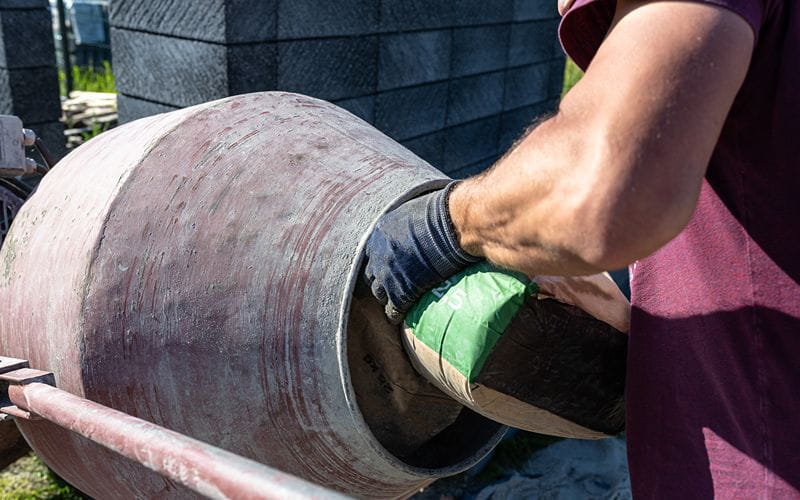
Concrete mixer problems commonly stem from engine faults, worn or slipping drive belts, poor lubrication, drum buildup, and structural wear caused by demanding site conditions. Regular maintenance, including cleaning the drum, checking fuel and air filters, lubricating moving parts, inspecting belts, and securing safety guards, helps prevent breakdowns and costly...
How To Prepare Your Worksite Before Using A Concrete Mixer
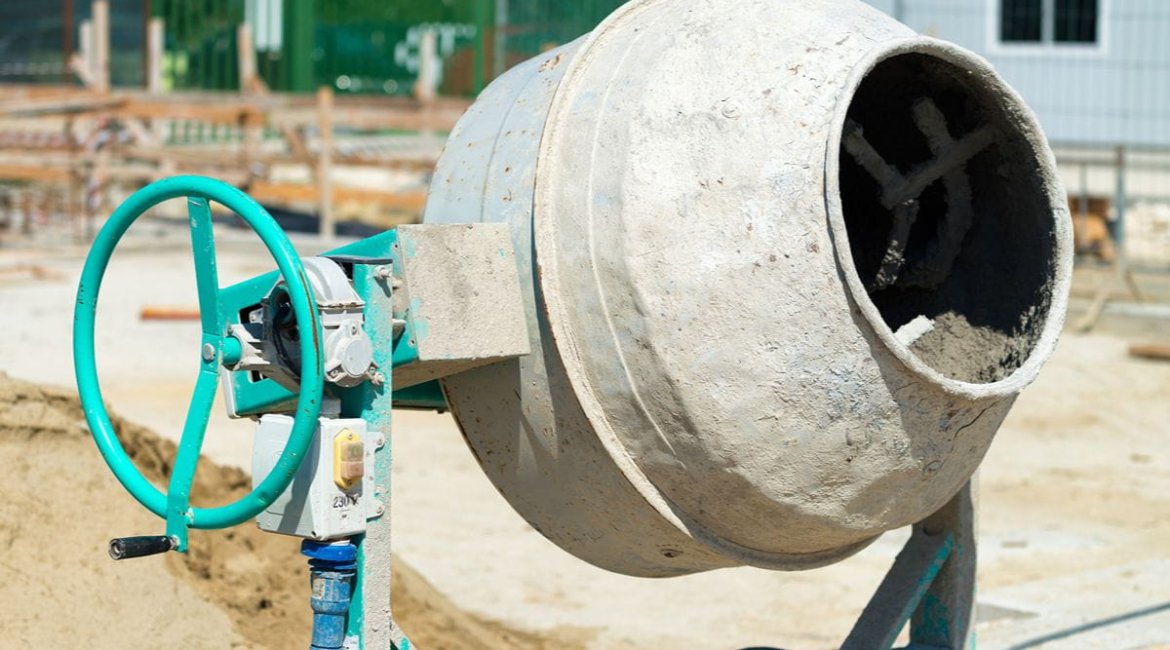
Using your concrete mixer is only one step in a series of tasks when working on a new project. The foundation that the mixer stands on and the materials that are stored nearby should receive equal attention. At BS Power, we meet contractors who believe that once the mixer...
How Many Concrete Mixers Does Your Crew Actually Need?

Concrete mixers, and the number of them your crew actually runs, seem simple until you are standing on site and wondering why your crew is idle half the morning waiting for the next batch. If you have ever wondered whether your operation needs one machine or three, you are...