




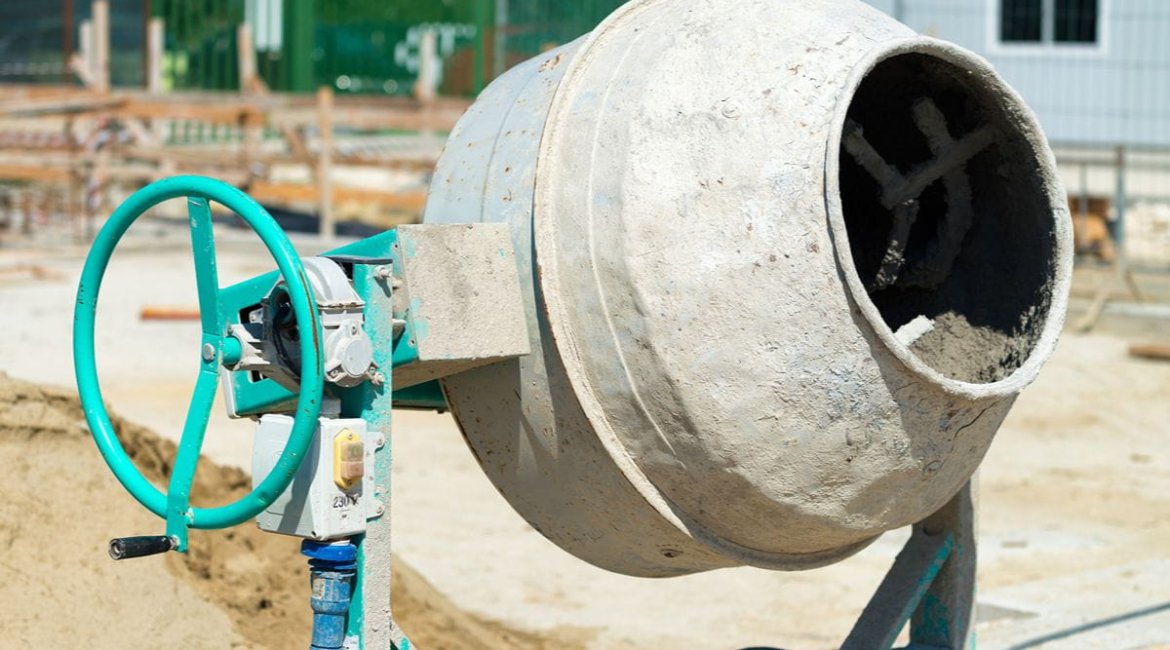
Using your concrete mixer is only one step in a series of tasks when working on a new project. The foundation that the mixer stands on and the materials that are stored nearby should receive equal attention. At BS Power, we meet contractors who believe that once the mixer is in place, everything else will run smoothly. Yet the truth is that your mixer’s output quantity and consistency are dependent on the level of preparation of the site that you work on.
If your site is poorly prepared, you might experience material waste as well as unnecessary wear and tear of your equipment, but a well-prepared site will allow the concrete mixer to work exactly as it was intended to. In this article, we will provide you with the necessary steps and tips for site preparation recommended to our clients. It does not matter if you are doing a patio slab or have a construction programme comprising multiple pours per day.
Why Preparing Your Worksite Matters
As effective as your mobile concrete mixer is by itself, it is the place where you decide to set it up that determines its results. The ground must be solid and even; a soft or muddy area will cause the heavy concrete mixer to get stuck or tilt, thereby affecting the uniform quality of the concrete batch. Worn-out bearings or the frame could be a consequence of uneven ground.
Preparing a site involves more than just a checklist of things to do. When you eventually start the mixer, you can be confident that nothing is going to stop the process until your job is completed. These points relate to the ground conditions, the materials, the power, and safety checks that professional construction crews run every time just before pouring the concrete.
Clear And Level The Ground
Clear the space you want your equipment to stand on first. Remove small pebbles, cut grassy or leafy ground cover, and clear whatever debris that could cause uneven footing while you are overseeing loads or the wheel cart. A messy working environment makes it easy to trip and spill.
We recommend clearing the ground before placing the mixer. The surface must be free of debris, but level enough to support it. Concrete mixers must run on solid, level ground; otherwise, tilting the drum on sloped or uneven ground would place an uneven load on the wheels and the axle.
If your site is sloped, instead of forcing the machine to sit level on soft or sloped ground, try to make a flat place where the machine can stand by using some timber packing or a fill of earth that is compacted. Allow yourself some headroom by placing the unit away from your aggregates stockpile and water, so that you are not hindered in your movement by running over bags of cement or getting tripped by the hoses.
Compact The Base Soil Before You Bring In A Concrete Mixer
Loose sand or soft soil will collapse under the weight of the mixer. Consider the concrete weight in the mixing drum as concrete gets wet. It is best to prepare the ground where the machine will be situated by compacting it, and any trenches or footings, before you position the machine and start your work.
This is when a rammer comes in handy. Among our models, you could get the Baumax RM60R 65kg Rammer with a RATO RM120-V petrol engine of 121cc producing three. 6HP. The rammer delivers a 345 x 265mm plate, thirteen kN centrifugal force, which makes the rammer suitable for trench bases, footing edges, and other areas where a larger roller or plate compactor cannot fit. Working the rammer through the foundation trenches and standing area of your equipment, before the pouring, prevents sinking after concrete placement and gives your machines a safer, more stable working surface for the entire day.
Check Your Water Supply And Power Access
To ensure that your batch has a uniform water supply, determine if your water is in fact metered. Before getting underway, it is advisable that you find out what the water source is going to be. In case the water is being drawn from a tap or a stationary tank, check the pressure and ensure that the hose can reach the mixing zone without any kinks or long detours. In locations where the connection to the main is unreliable, place a water drum close to the machine that has been filled beforehand to avoid a shortage of water and a delay in operations at any time.
If your piece of machinery is electric-powered as compared with petrol-driven, you will need to double-check your primary power supply and the length of the extension cord. Petrol-powered types of machines avoid this problem. In fact, petrol machines and their independence from a separate power source are the reason so many of our contractors select them. They are ideal if there are power access issues on sites. Regardless of the arrangement you have got, try it out before the first batch of the day so as not to have it revealed that a problem has occurred after you have got the drum turning. It is a suitable time to get everything you need checked and ready. A proper setup of the water source will help prevent delays and problems during pouring.
Position Your Concrete Or Cement Mixer Correctly
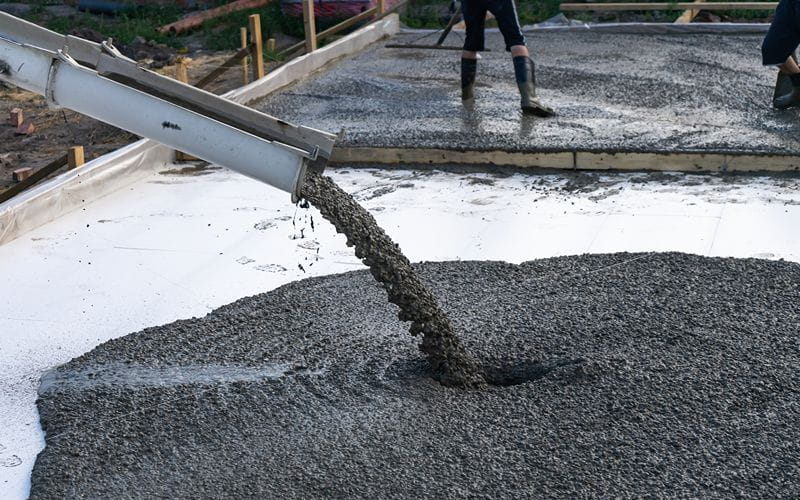
Once the site earthwork is done, you can position your mixer. Keep the mixer near enough to your stocks of aggregate, cement, and sand so that the loading is fast, but allow enough distance from your pour site, allowing free flow of the wheelbarrows or chutes. A 360L Concrete Mixer with a Baumax engine is one of the best options in our range. Powered by a 2:1 ratio engine delivering six. 5HP from the Baumax RX200 engine model, this Mixer rotates an empty drum at about 25 RPM and completes a mixing cycle in approximately two and a half minutes.
The channel iron and folded metal structure supports the drum of the machine, and the 3mm thick bottom is designed for repeated heavy use of the drum. In addition, the enclosed cabins for the engine and ring gear are provided to protect the operator during long days’ work.
Think About Weather And Ground Conditions
South African sites, you are working in conditions ranging from dry, dusty summers to heavy rain, and both have an impact on the ground preparation. Dust from aggregate stockpiles will settle into open drums in hot, dry weather and will change the mix consistency; keep cover on material when not in use and locate units away from high traffic areas. When it is damp, the water that pools around you and your equipment become even more problematic.
Standing in a pool of water or on a waterlogged work area will leave your mixer unlevel, and standing on muddy ground near your stockpiled cement could waterlog your bags before you reach the mixing stage. If rain is predicted, remember to direct surface water away from the working area in the same way that you do during a hot weather working day by digging a shallow drain around your work site or raising your stocks high enough on pallets to keep them out of the wet.
Final Safety Checks Before You Start Mixing
Once your ground has been properly prepared, your materials have come from the staging area, and the machine has been positioned exactly where it is supposed to be, a final inspection of the machine itself must be run. Make sure that the drum is empty and clean from a former job, fuel and oil levels in the engine have been checked, wheels have been made secure for moving or towing attachment is stable if your unit is mobile. Walk around the vicinity once again to identify any potential stumbling hazards, trip wires, or unstable piles of material that will interfere with the mixing spot.
Even though performing these last checks just requires a few minutes of your time, they ensure smooth, uninterrupted concreting takes place, preventing a day filled with troubleshooting for avoidable problems. A mixer that has been set on flat, secure ground, free from any debris, materials and other potential hazards prevents avoidable injury and tipping. By dedicating a few minutes of your time to safety checks before the mixer starts running, you can prevent unnecessary downtime.
Work With Equipment You Can Rely On
Apart from delivering the fastest solution, we give attention to proper groundwork as a critical factor for the result. Using rammers like Baumax RM60R to compact your trenches and 360L Concrete Mixers for consistent mixes ensures a smooth project. No matter your chosen method, thorough preparation will ensure the safe operation of your machine. Before you start pouring your next concrete, get in contact with our team. We will help you decide on the best equipment for your site, your soil, and the volume of work at hand.