





Concrete mixers, and the number of them your crew actually runs, seem simple until you are standing on site and wondering why your crew is idle half the morning waiting for the next batch. If you have ever wondered whether your operation needs one machine or three, you are not alone. It’s a question we get asked all the time here at BS Power, and the honest answer is that it is contingent upon the size of your crew, the amount of work you have and the type of projects you are focusing on. Let us determine the right number of concrete mixers for your business as opposed to speculating.
How Many Concrete Mixers Does Your Crew Actually Need?
The number of concrete mixers you will need with your team is not a fixed matter. The person who claims there is one single correct answer in such a manner probably has not managed a fast-paced construction site. For instance, a two-person bricklaying unit managing small residential contracts will have completely different requirements compared to a ten-person crew involved in concreting foundation works for a housing development.
Obviously, the concrete mixers which work well for one side of the equation will not work equally well for the other side. However, the starting point for calculating the concrete mixers required is always the same. First, figure out the concrete quantity the entire construction team can lay in an hour and then see whether the capacity of just one concrete mixer or two would be sufficient for that. That said, for most of the smaller to medium crews in South Africa, one good concrete mixer is sufficient if it is just the right size for the type of work they are conducting on-site.
The most serious mistake that crews make when it comes to the question of concrete mixers is not getting a single small-sized one but getting a mixer that is too small for the work, which makes it necessary for the machine to repeatedly cycle to keep up with the team’s pace. That is when getting a second mixer, or a larger single unit, becomes a cost-efficient choice.
Matching Mixer Numbers To Crew Size
When you are trying to conceptualise a concrete batching operation, one of the best ways to do so is to consider production capacity, rather than the number of personnel. A team of three or four individuals laying bricks or pouring small slabs of concrete should be able to keep one concrete mixer producing at maximum capacity with truly little time lost between batch cycles. Increase the size of the crew if there are wheelbarrow runners doing the work of moving material to a specified location on the job site. Suddenly, the concrete mixer becomes the limiting factor in the operation. If your crew expands beyond six or seven to position concrete, you probably should consider doing some figures on a second concrete mixer.
Two concrete mixers running on every other shift, one loader and one discharger, can give you two times the capacity for your labour cost, because the same crew feeding one machine can generally feed two if you plan the batching sequence well. This is most useful on jobs where you are pouring continuous runs, driveways, footings, or slab foundations were stopping and starting between batches hurts your finished concrete look. Conversely, a small group of guys should not be burdened with having to keep more than two concrete mixers going at once.
Job Type Changes The Equation
There are two main factors which we consider influence the number of mixers you need to buy. These two factors include the types of projects you take on as well as your crew size. Small and short jobs done by masons using small quantities of mortar and concrete can easily be covered by a small portable mixer.
A smaller mixer can easily be managed and transported around the site. However, ground personnel laying large footings or slabs have to cope with heavy mixing requirements, which usually means having a larger drum or, for very large quantities, a second concrete mixer operating in tandem with the first one to ensure the crew’s pace of placing work is maintained.
If your business takes on a mix of small residential jobs and larger commercial pours, it is worth thinking about your concrete mixers the way a plant hire company thinks about its fleet. You do not necessarily need the biggest concrete mixer available for every job; you need the right size mixer matched to each specific job, with the flexibility to bring in a second machine when a bigger contract lands on your books.
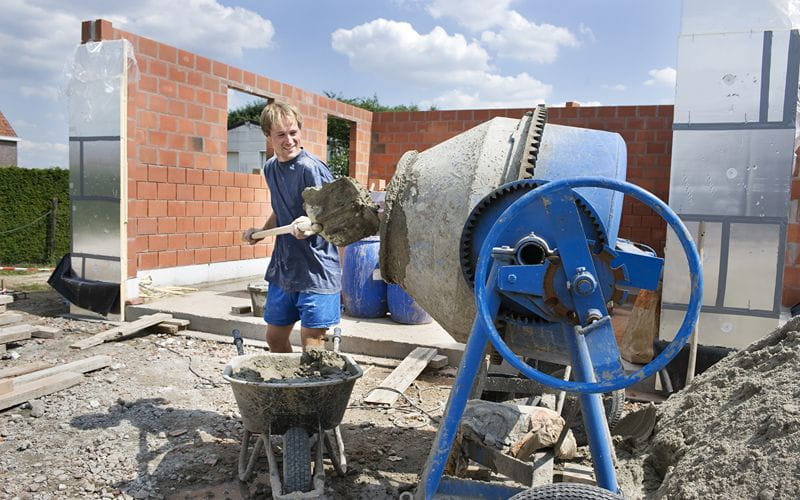
One Reliable Mixer Vs A Small Fleet
It makes more sense for nearly all crews to begin with a single dependable, appropriately rated concrete mixer rather than choose the “bigger fleet” approach right away. One top-quality unit, well-maintained, of the right size, managed by a crew who knows how to batch in the right order, will far outperform two mismatched concrete mixers, and cost a lot less to keep and operate.
Ask yourself whether you are not better off sorting out your existing concrete mixer before thinking about a second one, and whether site readiness is not just caused by a lack of workflow. Having said that, when your job is demanding enough for you to start turning work away or suffer surcharge penalties for slow pours, then a second concrete mixer ceases to be a luxury. It is a business requirement.
If one concrete mixer is out of service for maintenance or suffers a breakdown in the middle of a project, your workforce stays productive instead of being paid to stand around. For the contractor working on three or four different sites in one week, a small fleet of two or three concrete mixers of the right size for each job will be the most economical investment. Do not forget to consider transportation and site access when estimating numbers.
One big cement mixer shuttling between two close-by locations in a given day will often do just as well as two lesser units doing the same job if your planning and coordination are best suited to the mixing. Work crews with more rigid time requirements or blocks of work a good distance apart tend to prefer a single dedicated concrete mixer per location over wasting time and transport effort moving a unit back and forth.
BS Power’s Concrete Mixer Range
BS Power has many concrete mixers available, manufactured to suit various team sizes and job requirements, so you will not be unsure as to which concrete mixer is suitable for you. The 360L Concrete Mixer is a substantial size if you have the odd small crew or if you are doing the more regular jobs. The size is manageable to move around a busy residential site, yet the drum size is a good amount of output for a small bricklaying or general construction team to keep them supplied without too many engine switches. This type of concrete mixer is either fitted with a Baumax or a Honda engine; you can choose based on your budget and servicing needs. We normally recommend this type of concrete mixer if you are looking for a dependable, easy-to-use and maintain mixer for a small crew of 2 to 3 men.
Stepping up a gear, the 420L concrete mixer is more suitable for slightly bigger job teams, ranging from foundations to bigger slabs and groups of 4 to 6 men requiring an even flow of concrete without continuously running the concrete mixer. The larger drum on the 420L reduces the batching frequency per day, saving considerable time over weeks within a multi-week period.
As seen previously with the 360L, the 420L is also available with a Baumax or Honda engine, should the needs fall to a more economical long-term running cost. Designed to meet the needs of larger, more frequent pours, our 500L Concrete Mixer is a workhorse that will not slow your crews down. We suggest this concrete mixer for large crews and contractors who are performing nonstop pours on larger commercial jobs and foundations. This model is also available with both engine options.
In our range, the aim stays the same: to provide your crew with a genuine, well-matched-to-the-job concrete mixer. From a single good machine to a small fleet of concrete mixers, the benefits of selecting the correct capacity first far outweigh the cost of buying the cheapest model available, for fuel, servicing, and downtime.
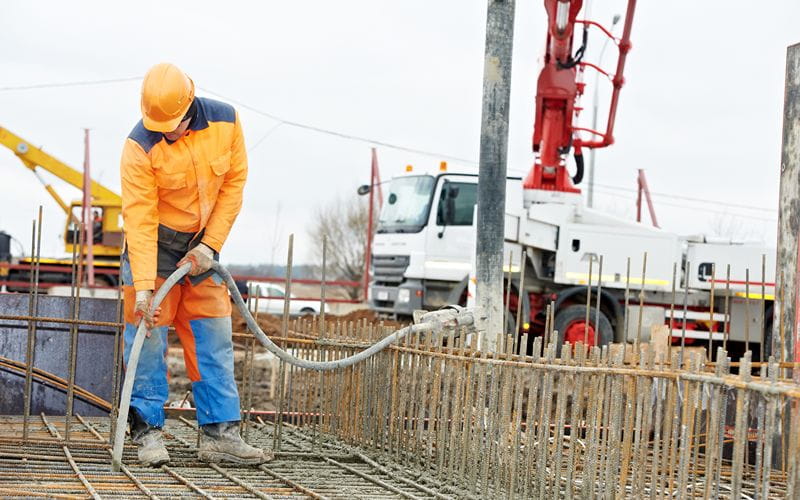
Getting The Number Right For Your Crew
There is no single recipe applicable across all kinds of businesses which would guarantee successful operation, but each business will eventually discover its correct concrete mixer configuration based on factors like its team size, working hours and job variety, rather than just going after the cheapest option available.
If you are unsure whether your team can do without a concrete mixer, why not give us at BS Power a call? Our experienced team will gladly assist you in exploring our entire range of concrete mixers and help you make the decision that aligns best not only with how your crew works generally, but also with the way you actually manage it on site.