




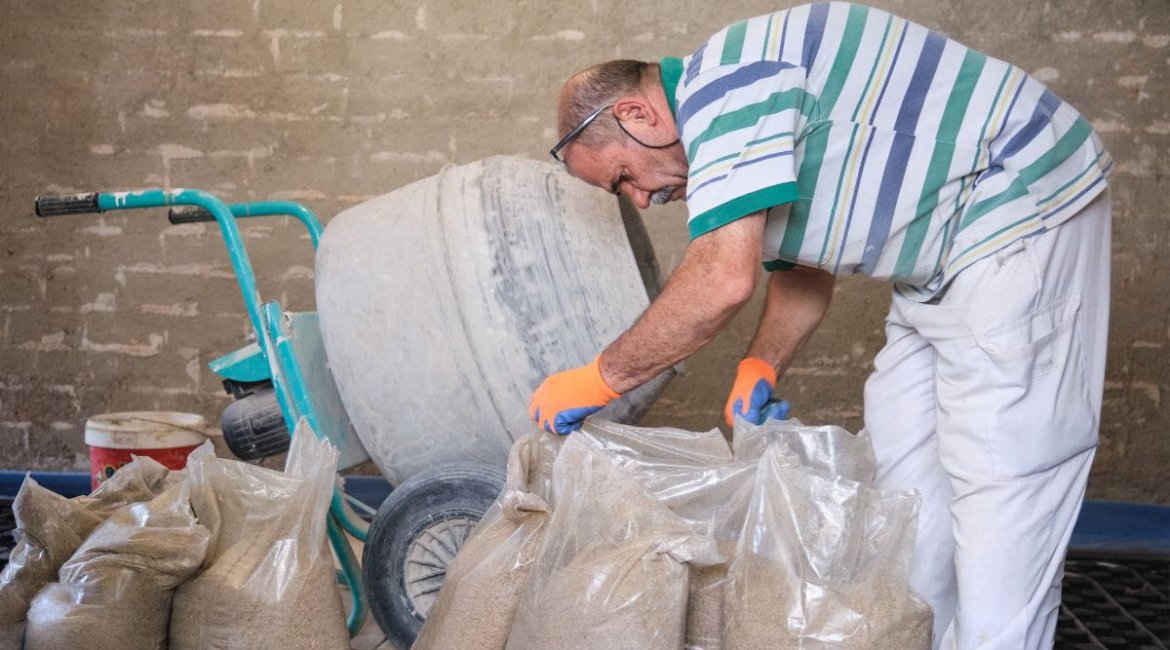
Construction teams in South Africa consider a few factors before selecting a concrete mixer for their projects. They will look at specifications like drum capacity and motor power as these two factors greatly affect a project’s outcome. Experienced contractors who work across the country know how job site conditions have a great effect on equipment performance.
Environmental factors directly impact how these machines operate. For example, the Karoo region is known for scorching hot weather, and the Free State is known to experience dust storms. These factors impact how long machinery lasts and ultimately, project profitability.
At BS Power, we understand that choosing the right equipment requires more than comparing technical specifications on paper. In fact, real-world performance depends on matching capabilities to the specific challenges present at your work site. In this article, we will examine the overlooked environmental and logistical factors that should influence your selection of suitable cement mixers, with particular focus on conditions commonly faced across South African construction sites.
South Africa’s Diverse Construction Environments
In South Africa, contactors are presented with unique challenges impacting their equipment. The country’s varied climate zones mean that equipment operating in coastal KwaZulu-Natal faces entirely different conditions than those working in the Northern Cape. Construction teams must consider temperature extremes, varying altitudes, moisture levels, and terrain characteristics that dramatically affect the performance of their equipment.
Coastal regions naturally have salt-laden air, which accelerates corrosion on metal components. Inland areas, such as the Northern Cape, are subject to intense UV radiation and dramatic temperature fluctuations between day and night. High-altitude sites, particularly in mountainous areas of the Eastern Cape and Lesotho border regions, will need machines with engines capable of maintaining power despite lower oxygen levels.
Contractors who understand these environmental variables are able to select concrete mixers designed to withstand specific regional challenges. Equipment that performs flawlessly in Johannesburg might struggle in Upington’s extreme heat, while cement mixers suited to Cape Town’s moderate climate could require modifications for Limpopo’s subtropical conditions.
Heat: The Silent Equipment Killer
Temperature extremes are one of the most significant yet frequently underestimated challenges for cement mixers in South Africa. The summer temperature often exceeds 40°C in most inland regions. This greatly affects machine performance and creates multiple points of failure for poorly specified equipment. When selecting your next concrete mixer, consider its engine performance under heat stress.
Concrete mixers rely on engines. These engines generate substantial heat during operation. When temperatures climb above 35°C, a standard cooling system will struggle to maintain safe operating temperatures. If the engine overheats, it will lose power, and the fuel consumption will increase. The heat will also accelerate wear on internal components. If the machine does not have adequate cooling capacity, it will experience frequent shutdowns, disrupting productivity and schedules.
Diesel engines are particularly vulnerable to heat-related issues. High temperatures reduce air density, which causes less oxygen to enter the combustion chamber. This often results in decreased power output precisely when the equipment needs maximum performance to maintain drum rotation under load. Additionally, extreme heat can cause diesel fuel to thin. This can potentially lead to injection system problems in cement mixers equipped with older fuel delivery technologies.
Modern machines usually incorporate a type of hydraulic system for drum rotation and tipping. Hydraulic fluid viscosity will change with temperature. If the environment experiences excessive heat, it will cause the fluid to thin, often beyond optimal operating specifications. When the hydraulic fluid becomes too thin, the equipment will experience a reduced pressure and possible internal leakage.
Conversely, equipment faces the opposite problem during cold winter mornings. Thick hydraulic fluid will not flow, forcing pumps to work harder. Selecting machines with temperature-compensating hydraulic systems or investing in multi-grade hydraulic fluids becomes essential for equipment operating across South Africa’s temperature ranges.
Heat will affect more than just your machinery. If cement and aggregates are stored in direct sunlight, they can reach temperatures exceeding 50°C. When these materials are added to the drum, the resulting concrete mix will heat up rapidly. This will, in turn, accelerate the cement hydration. Workers will end up taking twice as long to mix one batch of concrete.
Dust: More Than Just A Nuisance
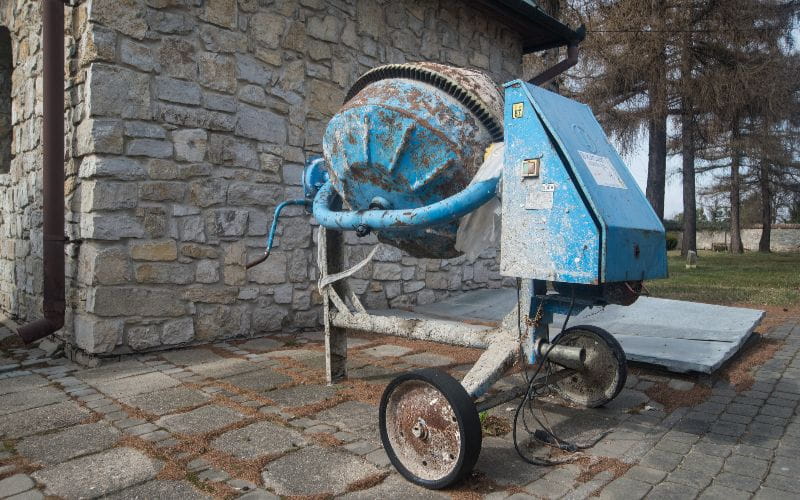
South Africa’s arid and semi-arid regions generate enormous quantities of dust, particularly during the winter months. Dust can cause multiple problems for your equipment, from minor maintenance issues to catastrophic equipment failure.
Any engine requires clean air for combustion to take place. A standard air filtration system is designed for moderate dust conditions, not abnormal dust conditions. Air filters quickly become overwhelmed when operating in environments generating heavy dust loads, blocking airflow. As airflow is restricted, your equipment will lose power and consume more fuel.
Inadequate filtration can allow abrasive dust particles to enter the engine cylinders. This will cause wear on the pistons and cylinder walls. Research on construction equipment operating in similar conditions has documented that engine life reduces up to 80% when dust filtration is not controlled. Contractors should select equipment with heavy-duty air filtration systems for dusty environments.
Machinery and equipment have many bearing assemblies and drum supports, and fine dust particles inevitably contaminate the bearing grease and act as an abrasive, which causes friction and deterioration. Some cement mixers have sealed bearings and enhanced dust protection. This prevents premature failure and keeps the machine operational.
Modern machines increasingly incorporate electronic controls for automated batching and engine management. Dust accumulation on electrical connections creates opportunities for current leakage and short circuits. Equipment operating in dusty environments requires sealed electrical enclosures with appropriate protection ratings to ensure consistent performance.
As technology evolves, modern machines increasingly incorporate electronic controls which allow automated batching. Dust can accumulate on electrical connections, which can lead to leakage and short-circuiting. Contractors should consider petrol/diesel-powered concrete mixers to minimise electrical circuit issues from halting productivity. At BS Power, we supply contractors with durable equipment such as the Honda GP160 5.5Hp Petrol Engine with 420L drum volume.
Uneven Ground: Stability and Safety Considerations
Contractors will agree that working sites rarely offer level and stable surfaces for operating equipment. Soft soil, gravel and slopes present safety challenges for those operating any heavy equipment, such as concrete mixers. Unlevelled surfaces can also affect mixing quality, making it crucial for contactors to select equipment which can be adjusted or moved to levelled areas.
A concrete mixer, when filled, maintains several hundred kilograms of material rotating in the drum. Unstable bases can cause mixers to lift or tip. To prevent instability and tipping of the machine, contractors should select models with wider wheelbases, as this will improve stability on uneven terrain.
Moving concrete mixers across rough terrain will present contractors with distinct challenges. Wheeled concrete mixers, which are designed for smooth plant floors, will struggle when navigating construction sites. Pneumatic tyres will offer better traction than solid wheels, allowing machines to be moved around on site. That said, these wheels will require monitoring for punctures and proper inflation.
A self-propelled concrete mixer with all-wheel drive capabilities can easily navigate difficult terrain.
If your concrete mixer needs to travel significant distances over rough terrain, we recommend investing in a purpose-built mobile concrete mixer to reduce labour.
A large stationary mixer will need a proper foundation to prevent settling and vibration. Sites with unstable soil foundations will cause concrete mixers to sink. This will throw drum assemblies out of alignment and accelerate the ear on the drive system. If you are using a concrete mixer on questionable soil, consider using concrete pads or other engineered solutions for stability.
Regional Considerations Across South Africa
Every province presents its own set of challenges that influence concrete mixers. By recognising environmental influencers, you can select a mixer optimised for the region. For example, urban sites in Gauteng typically benefit from stable electrical power and easy access. This favours modern electrical mixers; however, space constraints could require smaller or more compact mixers, and noise regulations may restrict the use of mixer operation at certain hours.
Construction sites on the coastline are exposed to salt-laden air, which accelerates corrosion. Contractors should prioritise cement mixers with enhanced corrosion protection, including powder-coated frames and stainless-steel components. The Baumax RX200 2:1 Engine 6.5HP with 360L drum volume supplied by BS Power, offers ultra durability, ideally suited to contractors and rental companies.
Regions like the Free State, Northern Cape, and parts of Limpopo experience extreme heat and dust. This requires concrete mixers with robust cooling and filtration systems. Water scarcity makes efficiency critical when operating concrete mixers. Projects in rural areas usually lack electrical infrastructure, making diesel-powered mixers the only practical solution. A simpler machine will be easier to maintain when it comes to sourcing parts or servicing.
The seasonal weather patterns in South Africa creates additional considerations. During the summer, concrete mixers are exposed to peak heat stress and will require adjustments to mixing as well as concrete formulations. Concrete mixers with insulated drums can maintain temperature control and prevent premature setting, which leads to waste.
Similarly, South African winter mornings often see temperatures below freezing in some regions. Cold can add stress on the engine and hydraulic system, affecting mixing quality. Contractors can make use of block heaters and battery warmers to help concrete mixers start reliably in cold conditions.
BS Power: Select The Right Concrete And Cement Mixers
The environment and job site conditions have a tremendous effect on concrete mixer performance, yet these factors frequently receive inadequate consideration when equipment is purchased. Heat, dust and uneven terrain all present real challenges which affect the reliability and productivity of a concrete mixer.
At BS Power, we encourage all contractors to evaluate cement mixers within the context of site conditions. Construction teams can maximise their capabilities and productivity when they have selected equipment suitable for environmental challenges. Invest time before selecting a mixer, as this time will pay dividends throughout the equipment’s service life.
Whether your job site is facing the extreme temperatures of the Northern Cape, dusty conditions on Free State farms or challenging terrain in KwaZulu-Natal, the right concrete mixers will make the difference between project success and frustrating struggles. Consider your job site conditions as carefully as drum capacity and motor power when evaluating cement mixers. Your equipment, your team, and your bottom line will all benefit from this more comprehensive method of selecting equipment.
At BS Power, we remain committed to helping contractors and clients identify concrete mixers suited to their specific operational environment. With careful assessment of site conditions and ongoing support throughout equipment service life, we help construction teams achieve their project goals. For more information on BS Power’s substantial mixer selection, visit the BS Power website or contact us to discuss your concrete mixer requirements. Discover how site-specific equipment can transform your construction operation.