



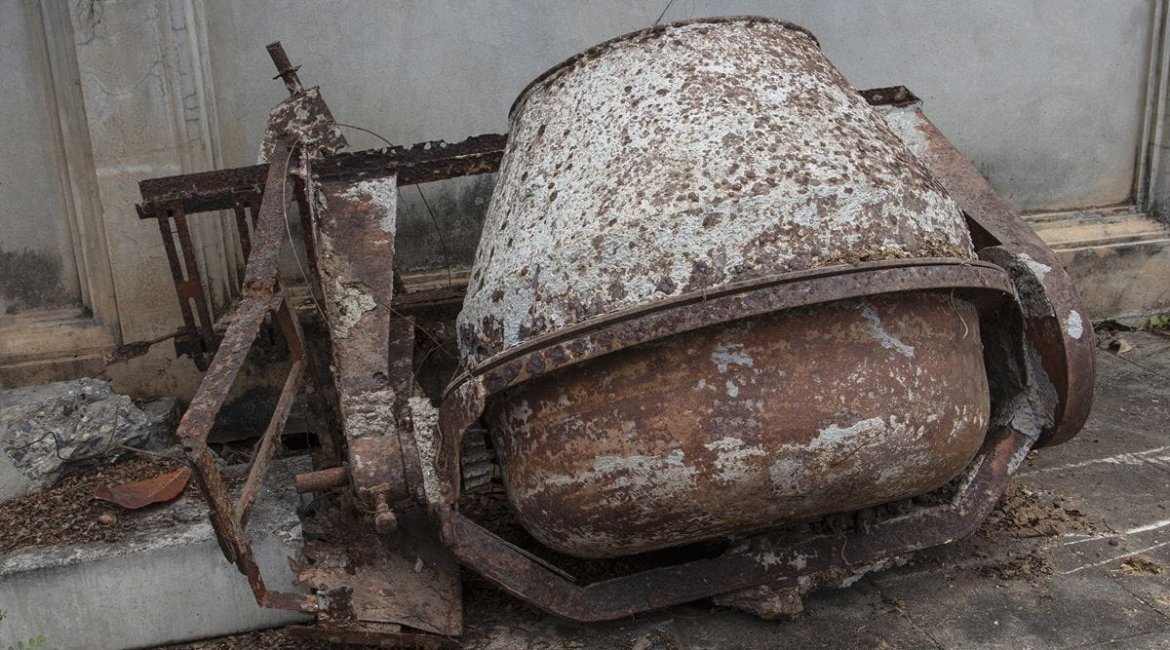
A Concrete mixer is the hardest-working machine on the modern-day construction site and knowing when one has come to the end of its working life could save you valuable time, money and many hours of unnecessary frustration. Your projects require dependable and reliable equipment. Whether you are working on residential developments, commercial buildings, agricultural structures or civil engineering projects, your concrete mixer plays an important role in delivering consistent results. When it starts to fail, you will notice it at every stage of the job.
Many contractors are still running ageing equipment simply because it still turns or starts each morning. Unfortunately, a machine that looks like it is working may be costing much more than it is worth and not mixing properly. This leads us to the one important question. When is it time to replace your machine?
The Common Warning Signs You Should Never Ignore
All machines wear out in time, and there comes a point when repairs are less practical than replacement. Recognising signs can help you make an informed decision before a complete meltdown derails your work. One of the first signs is a noticeable drop in performance. You might notice your mixer struggling to rotate smoothly or taking longer to make a consistent mix. This can be a sign that important parts have worn out past their usable limits. Small performance issues can add up quite a bit when repeated over dozens of batches every day.
Regular repairs are a clear sign that your equipment is reaching the end of its service life. Regular replacement of belts, bearings, switches and engine parts every few weeks can soon cost more than the purchase of a newer machine. Ongoing maintenance also means your team spends more time fixing equipment than it does completing projects.
Never disregard strange noises. Grinding, creaking, rattling or knocking sounds are often signs of worn bearings, damaged gears or loose mechanical parts. Some problems can be fixed, but repeated problems usually indicate that the mixer has serious internal wear.
Downtime impacts more than your equipment. Every hour of waiting for repairs slows workers, interrupts concrete pours and pushes project deadlines further into the future. If your mixer often refuses to start or suddenly dies out while in use, your productivity will take a hit. Even if work cannot be undertaken, the costs of labour are incurred, and delayed schedules can impact customer satisfaction or contractual deadlines.
Many businesses consider repair invoices only without accounting for hidden costs of equipment failure. The lost productivity, idle employees, delayed deliveries and disrupted workflows often exceed the actual repair costs themselves. Upgrading an old mixer before it fails often keeps your crew working more effectively while providing consistent results from every project.
Poor Mixing Quality Is Affecting Your Results
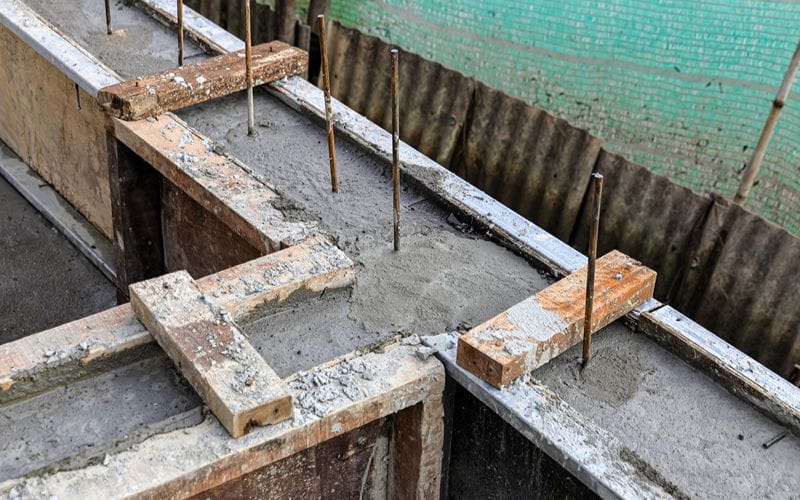
The main purpose of a concrete mixer is to provide a consistent, uniform mix every time. Equipment wear gradually decreases mixing performance. You may see dry spots in the mix, uneven moisture distribution or uneven blending of the aggregate. Such problems can weaken and disfigure the finished concrete and make it more likely to have defects.
Poor mixing quality also causes waste of materials. Workers can correct inconsistent batches by adding extra cement or water. This can cause inconsistent results and unnecessary expenses.
If your mixer is not giving you reliable mixing consistency, even though you are charging it correctly, then investing in a replacement is a practical investment rather than an unnecessary expense.
Equipment at construction sites is exposed to moisture, cement residue, dust and changing weather conditions. While regular cleaning delays deterioration, corrosion will ultimately affect every machine. Surface rust is usually an easy fix, but corrosion can eat into structural parts and impact overall reliability. Pay particular attention to the drum, support frame, welds and axle assemblies.
These areas are constantly under stress from repeated vibration and heavy loads. Small cracks tend to grow over time and can eventually lead to total structural failure. A damaged frame can affect the balance and stability of your concrete or cement mixer, creating safety concerns for operators while decreasing overall performance.
Engine Problems Are Becoming More Frequent
The concrete and cement mixer engine is the power source that keeps your mixer working well. As the engine begins to falter, productivity declines in all areas. Hard starting, excess smoke, uneven power delivery, increased fuel consumption and overheating all point to an engine that is nearing the end of its useful life.
Regular servicing will prolong engine life, but repeated major repairs can be hard to justify financially. If proper maintenance does not correct the engine failure, replacing the entire concrete or cement mixer may be a better value in the long term. A modern engine is more fuel-efficient, runs more smoothly and is more reliable than older units that have been in service for years and have seen heavy use.
It’s also harder to use older equipment. As the manufacturers stop making a particular model, the parts for that model become harder to find. Waiting weeks for specialised parts can leave your concrete or cement mixer out of action at critical times on a project. And even when the parts are available, they are often overpriced because they are no longer mass-produced. By investing in a newer concrete or cement mixer, you will have easier access to replacement parts, ongoing manufacturer support, and easier maintenance planning throughout the machine’s lifespan.
Safety And Rising Operating Costs
Safety at construction sites should always be a priority. A worn mixer may have loose guards, broken electrical parts, unstable frames or unreliable braking systems. These problems pose unnecessary danger to operators and nearby workers. Don’t ever dismiss safety concerns just because the machine still works.
Modernising ageing equipment will also help to mitigate the hazards of the workplace and meet modern safety expectations. A reliable mixer ensures that every mixing cycle is carried out, which in turn leads to a safer work environment. Many companies are reluctant to replace equipment because they only consider the purchase price of a new machine. But the operating costs often tell a different story.
Older equipment tends to use more fuel, require more maintenance, more repairs and more labour to keep it working effectively. These costs accumulate over time until the annual cost of ownership exceeds the cost of continued ownership. If you do the maths on your annual costs for repairs, replacement parts, servicing, downtime and fuel, it often turns out that the more economical decision is to replace your concrete mixer.
Your Business Has Outgrown Your Current Equipment
Sometimes your machine is not necessarily broken. Your business has exceeded its capabilities.
Larger projects require more production capacity and higher reliability. If your concrete or cement mixer can’t keep up and workers are always waiting for more batches, you’re losing productivity. Upgrade and get bigger pours done faster, with less labour delay. As your business grows, so should your equipment.
Manufacturers are continuously engineering construction gear with stronger materials, better engineering and more efficient engines. Concrete mixers of a more recent vintage feature smoother drum rotation, greater durability, lower fuel consumption and easier maintenance. Also, better designs make cleaning easier at the end of each day’s work, extending equipment life and reducing maintenance time. This results in increased productivity and more reliable performance on all projects.
Replacing equipment should not be viewed simply as buying another machine. It’s a chance to invest in equipment that better fits your current workload and supports your growth ahead. At BS Power, we provide reliable solutions that are built to survive the rigours of construction sites. Our product range includes Baumax BS361 360L Concrete Mixers with Baumax RX200 2.1 Engine, 420L Concrete Mixers with Baumax Engine and 400L Concrete Mixers with Baumax Engine. Each model is designed to provide durable construction, reliable mixing and reliable performance for professional contractors who need equipment they can count on. Capacity depends on the size of your projects.
Invest In Reliable Performance With BS Power
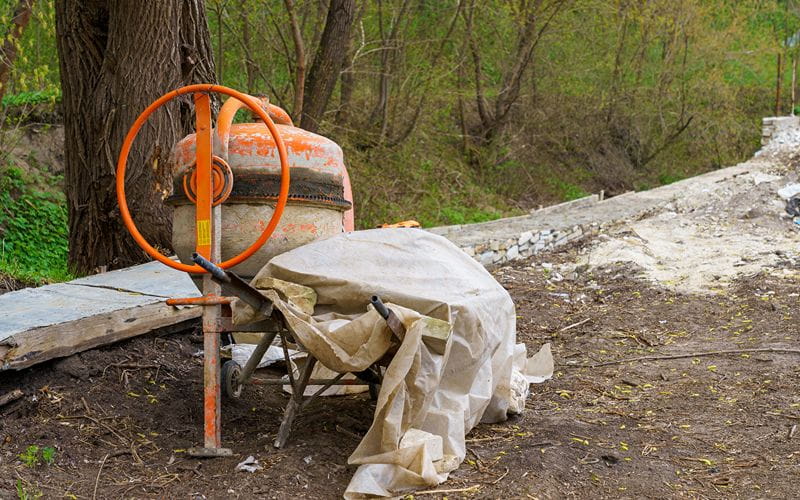
You do not need to retire your old machine if it still operates productively. Your concrete mixer’s value depends on its repair needs, particularly when they start to impact quality, safety and profitability. When your concrete or cement mixer is constantly breaking down, delivering inconsistent mixes, guzzling fuel, developing structural problems or needing more and more expensive repairs, replacing it can safeguard your projects as well as your bottom line.
At BS Power, we understand that reliable equipment keeps your business moving. A quality concrete mixer means you can rest assured every batch is mixed consistently, every project is on time, and your team is working efficiently all day long. Investing in the timely replacement of your ageing concrete mixer is an investment in reliability, increased productivity and longevity. When you have the right equipment to support your business, you are free to focus on providing quality workmanship and finishing every project with confidence.