




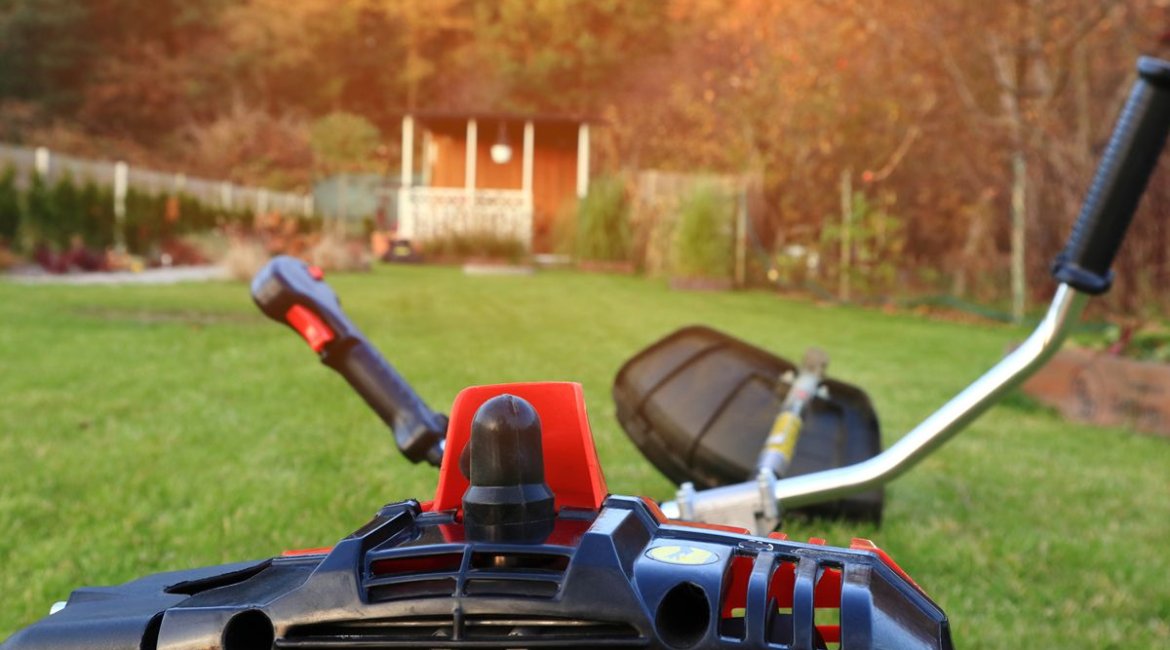
Brushcutters are the best tools for keeping up with lush and overgrown garden spaces, clearing dense vegetation, trimming long grass, and managing large properties. Brushcutters can make demanding vegetation control tasks much easier, irrespective of whether you happen to be a homeowner, landscaper, farmer, or grounds upkeep contractor. As with all power tools, cutters must be used properly to avoid injury.
At BS Power, we know safety must always be the first priority when operating cutters. Today’s brush cutters have a host of safety features, but accidents happen when equipment is not maintained, personal protective gear is not used, or when the operator lets their guard down. The following article describes brushcutter hazards and provides useful safety advice that all operators should know.
Why Brushcutter Safety Matters
It is easy to underestimate how powerful modern brush cutters are. Thick grass, weeds, and small brush are quickly cut by high-speed cutting heads, metal blades, and rotating trimmer lines. The very same electrical power which renders cutters effective may also cause hazards if not handled properly.
Brushcutters are high-speed machines, often used in demanding environments. Uneven ground, obscured rocks, loose soil, and dense vegetation increase the risk of injury. It is important to be aware of these hazards whether you use cutters every day or just occasionally. Brushcutter accidents can be prevented. If trained, maintained, equipped with proper protective gear, and handled with care, the chance of injury is drastically decreased.
Cuts And Lacerations
Cuts and lacerations are among the most common injuries associated with cutters. Such injuries usually happen when operators come into contact with the cutting line or blade during or immediately after the machine’s operation. Some of the injuries occur during maintenance when users try to clean or inspect cutters without disconnecting the power source or ensuring the engine has come to a complete stop.
Always turn off the brushcutter before inspecting or adjusting the cutting attachment. Use heavy-duty gloves when handling blades or trimmer heads. Never take safety guards off, always keep hands and feet away from moving parts. Operators should also be able to turn off the brushcutter completely before putting it down on the ground.
Flying Debris Injuries
Flying debris is one of the primary causes of injuries associated with brushcutters. Brushcutters can shoot stones, sticks, pieces of metal, glass, and other hidden objects at high speeds. These can strike the operator, bystanders, pets, vehicles, or nearby buildings. Eye injuries are common, especially in cases where operators do not wear appropriate face and eye protection. Before using brushcutters, check the work area carefully. Clear loose rocks, branches, wire, bottles, and anything else that may blow through the air.
Protective equipment should include:
- Safety glasses or a face shield
- Long trousers
- Durable boots
- Gloves
- Hearing protection
The safe distance between the operators and the bystanders is equally important. People around the area should keep away from the operating zone when brushcutters are at work. Eye injuries need special consideration since they can be serious and, in some cases, irreversible. A small stone thrown by brushcutters can cause substantial eye damage, however, this is easily avoidable with some saftey awareness and protective glasses.
Operators often believe that conventional sunglasses are sufficient protection. Sunglasses may offer a degree of protection, but they are not designed to take a high-velocity hit. Always use high-quality professional safety glasses when using brushcutters. The best protection is a full-face mask with protective glasses.
Hearing Damage, Muscle Strain And Fatigue
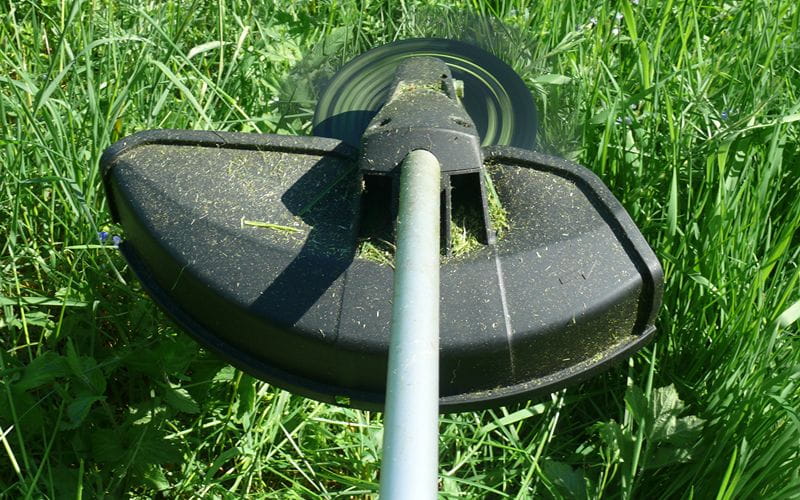
Hearing damage eventually can be caused by prolonged exposure to the noise of petrol-driven equipment. This is not unique to brushcutters and includes almost all engine powered machinery. Hearing loss, however, occurs gradually. Often, damage is not perceived by many until the point of significant hearing loss.
Hearing protection should be considered a necessity rather than an option when used on a regular basis. Excellent quality earmuffs or earplugs can greatly reduce the amount of noise exposure. Battery brushcutters tend to be quieter than petrol models. For less noise, the Husqvarna 535iRX Battery Brushcutter from BS Power is a great performer and is quieter than many petrol-powered brushcutters. Regardless of the brushcutters you use, hearing protection is still a part of safe operation.
Fatigue makes you more likely to make mistakes, and accidents. Tired operators may lose control of the brushcutter or miss potential hazards. Use a well-fitting harness. Take breaks regularly and consider your posture.
The ergonomic design of the modern brushcutter helps reduce operator fatigue. You can greatly enhance comfort and safety by selecting the appropriate equipment for your workload. The Husqvarna 321RJ Brushcutter and Husqvarna 321R Brush Cutter from BS Power are designed for the comfort of the operator, allowing for better control over longer periods of work.
Vibration-Related Injuries And Burns From Hot Components
Modern rotary brushcutters are equipped with anti-vibration systems to reduce operator exposure. They help to increase comfort and protect long-term health. Operators should also wear gloves, take regular breaks, and not grip the brushcutters too tightly. Routine maintenance is also important. Worn cutting attachments, damaged components, or unbalanced parts can result in increased vibration levels.
When petrol brushcutters are running, they generate heat. Engines, mufflers, and adjacent parts can remain extremely hot for some time after the machine is turned off. Touching these surfaces accidentally may cause painful burns. Refrain from touching engine parts shortly after use to avoid burns. Let the cutters cool down sufficiently before servicing, washing, or transportation. Accidental contact with these surfaces can result in painful burns. To prevent burns, operators should wear appropriate clothing such as long sleeve shirts or overalls.
Slips, Trips, Falls And Blade Kickback Injuries
Brushcutters are often used in difficult conditions, uneven ground, with hidden obstacles, in wet grass and on steep slopes. Cuts, fractures, sprains, and other injuries may result from slips and falls. These risks are heightened when brushcutters are transported or used on uneven ground.
Operators should wear non-slip shoes with good grip. Before you begin work, look around the work area for hazards. Extra caution should be taken on slopes and near ditches. When using cutters, it is important to have good footing. If rain or bad visibility creates unsafe conditions, it might be better to delay the work.
Brushcutters with metal blades can kick back. This happens when the blade hits a solid object and changes direction abruptly. Kickback can lead to a lack of control and increased risk of significant injury for the operator and others nearby. It is important to understand how cutters behave during use. Operators should use approved cutting techniques and avoid thrusting blades into unknown vegetation where hidden obstacles may be present.
You also need to inspect the blades regularly. Replace damaged or worn blades immediately, as they are more likely to cause kickback. The unintended frequency of brushcutter injuries occurs when the brushcutter is not in use. Maintenance tasks such as blade replacement, cleaning, inspection, and repair can expose users to sharp edges and moving parts.

Choosing A Safer Brushcutter
Using the right cutters is crucial for your general safety. Properly built equipment generally provides better balance, greater ergonomics, reliable safety features, and improved control. BS Power supplies a wide selection of professional cutters that combine safety and performance.
The Husqvarna 321RJ Brushcutter is a dependable option for property owners and professionals who require efficient vegetation control. The Husqvarna 321R Brush Cutter offers robust cutting performance in tough conditions and great operator control. The Husqvarna 535iRX Battery Cutter combines advanced battery technology and professional performance for users who want to reduce emissions and noise. Brushcutters of better quality can help in reducing operator fatigue, improving control, and providing a safer working environment.
Developing Safe Operating Habits
Even the safest brushcutters in the world need to be used responsibly. One of the best ways to prevent accidents is by establishing good habits. Always check brush cutters prior to use. Double-check that guards and harness cutting attachments and controls are in place. Verify that all of the parts are working as intended.
Take your time with a job. Watch your surroundings and stay alert while operating. If you encounter abnormal vibration, unusual noise, defective parts or performance problems, stop operation immediately and troubleshoot the problem. Speed should never come at the expense of safety.
BS Power: Equipment That Lasts
Cutters are a necessary device for the care and maintenance of gardens, farms, residential areas, and commercial properties. However, they need to be utilised cautiously to lower the risk of injury. Luckily, most of these accidents can be avoided by proper education, adequate protective gear, routine upkeep, and safe operating practices.
Here at BS Power, we are dedicated to helping you work safely and productively. Whether you are after dependable cutters for light garden work or professional equipment for heavy-duty use, we have options for you. With the right brushcutters, the right protective clothing and safe operating practices, you can confidently undertake your vegetation clearing chores.