




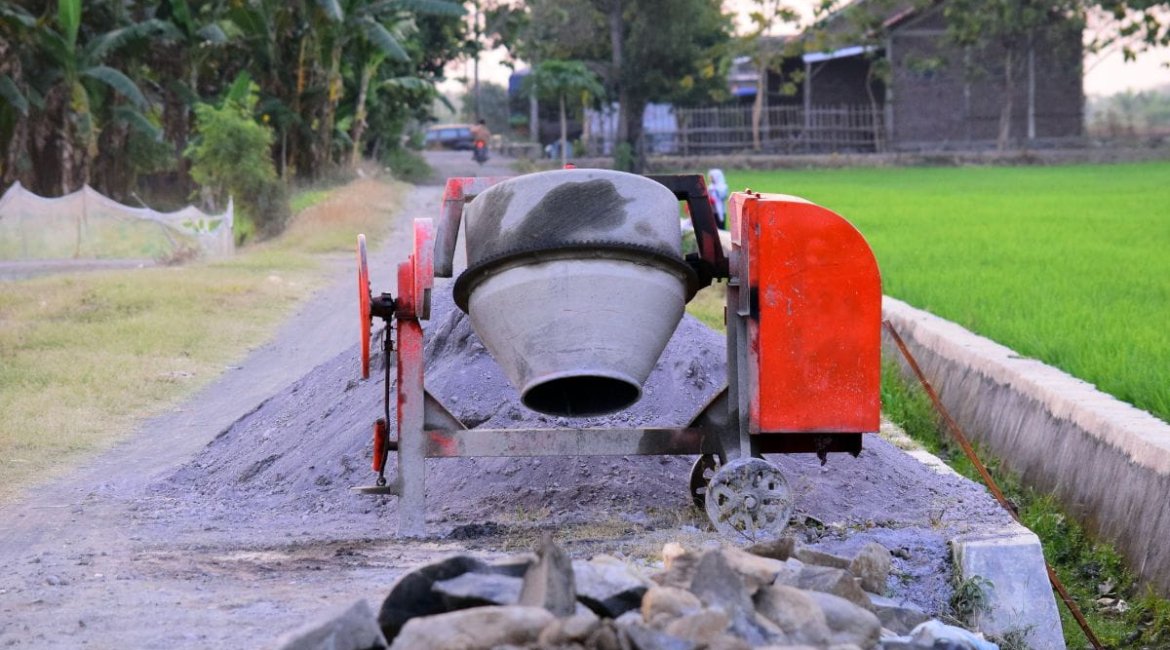
The strength of concrete is often associated with the quality of the cement, how accurate the mix ratios are, or even the curing process that comes after completing a pour. However, perhaps one of the most crucial, and also most underestimated factors in achieving durable, structurally sound concrete is how the concrete is mixed, and this is where concrete mixers play a far more important role than most contractors realise.
Even the best of concrete mix designs can fall short if your materials are not blended adequately and consistently. A poor mix can result in uneven distribution of the cement, dry pockets of aggregate, excessive air entrapment, and even variations in the water content, and all of these can play a direct role in the reduction of compressive strength and durability in the long run.
Across many construction sites in South Africa, where on-site batching is the name of the game due to costs, logistics and location, reliable concrete and cement mixers are vital for maintaining structural integrity.
Whether it’s foundations, slabs, columns or load-bearing walls, a strong structure begins in the concrete mixer’s drum. By understanding how concrete and cement mixers can influence the strength of the concrete, contractors and builders can improve the quality, reduce failure, and deliver safe, long-lasting builds with every batch mixed.
Over-Mixing Versus Under-Mixing
Achieving concrete that is strong and durable is not only about mixing for as long as possible, but also about mixing correctly. Both over-mixing and under-mixing can actually compromise the performance of your concrete, even if you’re using high-quality materials and reliable concrete mixers.
But if you understand the difference, you can avoid those hidden weaknesses that might only show up months or years after the pour was completed. Basically, under-mixing happens when your materials are not blended for the correct amount of time for the cement paste to fully coat your aggregates.
This happens more commonly than you think, especially on busy sites where batches might be rushed to keep the workflow moving. Common results of under-mixing often include uneven cement distribution, dry pockets of stone or sand and inconsistencies in colour or texture.
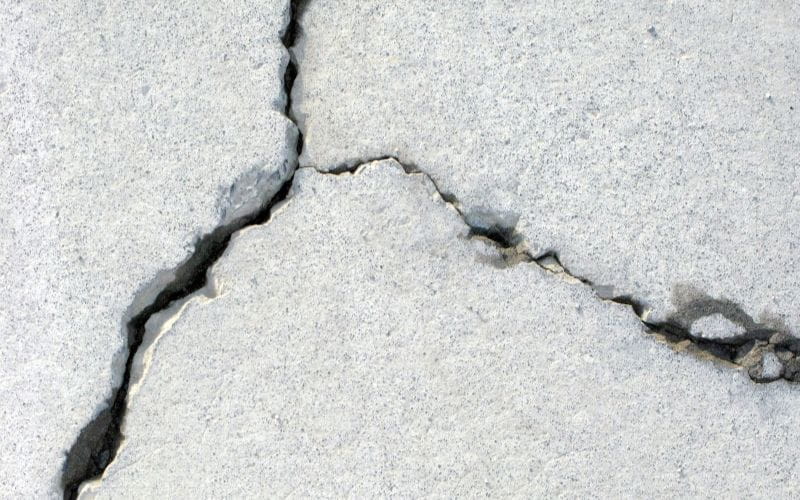
From a structural perspective, concrete that has been under-mixed creates weak zones within slabs, foundations, and columns, and these areas are more prone to cracks, reduced compressive strength, and moisture penetration, all of which can dramatically shorten the lifespan of structures. Research has shown that insufficient mixing time greatly reduces the durability and strength of concrete, even when you use the proper mix ratios.
What Happens When Concrete Is Over-Mixed?
On the other hand, over-mixing can be just as bad; this is far less common. When you mix concrete for too long, especially when the drum is spinning at a high-speed, the mix can start to break down.
Common issues when over-mixing concrete include excessive air entrainment, breakdown of the aggregate particles and Increased water demand to restore workability.
Now, while over-mixed concrete might appear to be workable, it commonly suffers from reduced compressive strength and a higher shrinkage rate during the curing process. These effects can increase the risk of surface cracks, as well as long-term structural deterioration.
Concrete mixers of high quality are designed to deliver consistent, uniform blends, but only when they are used correctly. If you follow the recommended mixing times, avoiding rushing your batches and resisting the temptation to “fix” concrete by adding extra water will ensure that every batch you mix has the strength it was designed for.
Drum Speed, Blade Design & Mixing Action
The quality of concrete delivered by concrete or cement mixers does not only depend on how the materials are mixed, but also on how they move inside the drum, and drum speed, blade angle, and internal circulation can determine whether your mix is properly blended and folded, or whether it separates and weakens before you even pour it.
Your drum’s rotation speed effectively controls the energy that is applied to the concrete during the mixing process: If the drum is too slow, the materials will slide along the drum as opposed to folding into each other, which leads to incomplete blending.
If the drum runs too fast, aggregates can separate, excess air gets trapped, and the workability can drop. The correct Speed allows the aggregates to lift, fall, and fold through the cement paste evenly.
Concrete and cement mixers that are well-designed are able to maintain consistent drum speeds even when the drum is fully loaded, and this consistency is crucial for the production of uniform batches, especially on larger pours where strength must remain consistent throughout the structure.
The Design Of The Blades And Paddles Inside The Drum
The internal blades or paddles are in charge of moving the materials inside the drum in a continuous mixing cycle, and their shape and angle determine how effectively a mix is circulated. High-quality concrete or cement mixers have angled blades which lift the aggregates upwards, fold the cement paste evenly through the mix and prevent materials from settling or sticking to the inside of the drum walls.
Poorly designed blades, or even blades that have been worn down by hardened concrete, lead to dead zones, where raw materials have not been properly mixed. Simply increasing your mixing time can’t compensate for ineffective blade action and can actually worsen mix quality.
Your goal with mechanical mixing is uniformity, and proper mixing action will ensure even cement coating of the aggregates, consistent water distribution and predictable setting and curing behaviour.
When mixers provide consistent internal movement, all your batches will behave in the same way, which is crucial for structural elements like slabs, foundations, columns, and even load-bearing walls.
The strength of concrete is influenced by both motion and the materials, but drum speed and the blade design are what transform the raw materials into structurally sound concrete. If you make use of well-designed and soundly designed concrete mixers and maintain their internal parts, you will ensure that each batch you mix meets the required strength and durability.
Structural Integrity And Batch Consistency
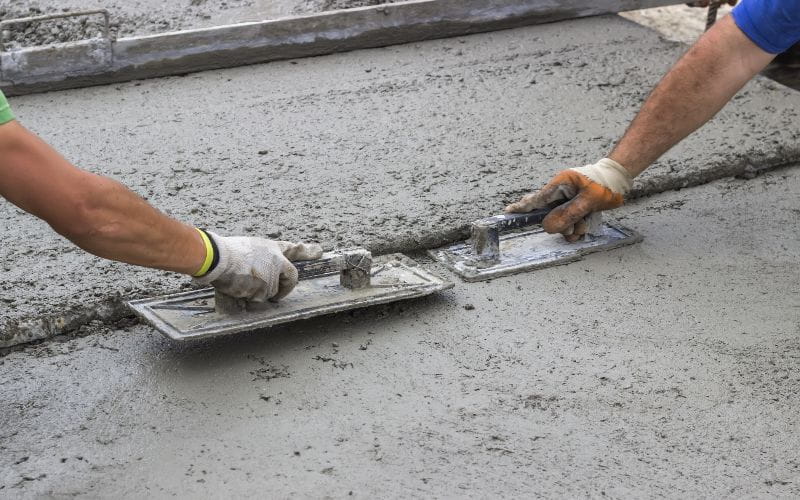
When you pour concrete in stages, the strength of the structure will depend on how consistent each batch is. Even the slightest variation in mix quality can lead to weak points that will compromise long-term performance, and this is why concrete mixers play such a vital role in maintaining structural reliability across any build.
Concrete is designed to work as one continuous material; thus, if batches differ in their strength, moisture, or workability, your finished product will no longer behave evenly under load. Simply put, inconsistent batches can result in sections of concrete that cure at different rates, uneven strength across slabs and foundations, as well as an increased risk of cracks over time.
If you, or your contracting business, make use of quality mixers, you will help ensure that every batch you mix mixes in the same way, with the same proportions and mixing time, so your concrete performance is consistent throughout the entire structure.
How Does Inconsistent Mixing Lead To Weak Points?
Weak points often happen when mixing time varies from batch to batch. You can add water to improve your workability and ensure your mixers are not overloaded, and the materials don’t circulate correctly.
Of course, these issues might not be visible once your concrete has set, but they will reduce the overall strength and durability over time. As time goes on, these weaker spots are prone to crack, absorb moisture, or even completely deteriorate under constant stress.
Manually mixing makes it challenging to produce batches that are identical. Any difference in technique, timing, and effort introduces variability that will affect the quality of your concrete.
On the other hand, mechanical concrete mixers produce consistent mixing action, repeatable batch quality and greater control over the strength and workability of the concrete.
Basically, this level of consistency is notably important when you’re working on projects that require multiple pours or continuous batching. The strength of concrete depends on a core factor, consistency. If you make use of well-sized, properly maintained concrete mixers, you eliminate variation in batches, reduce structural risk, and ensure that your finished builds perform as intended.
Common Concrete Mixing Mistakes
Even the highest quality materials and well-constructed mixers cannot compensate for poor mixing practices. On a busy site, small habits often creep in, and these are almost always the main cause of weak and inconsistent concrete. If you understand the common mistakes, you will prevent potential and avoidable structural issues down the line.
Perhaps one of the most prevalent mistakes is loading more materials into the drum than it is designed to handle. Overloaded mixers struggle to circulate the materials properly, and this leads to uneven blending. Overmixing prevents the cement from coating the aggregates evenly or forming dry pockets inside the mix. Your mixing time will increase without improving the quality.
If you stick to the recommended batch size, you ensure proper circulation and consistent strength.

Concrete Mixers Available At BS Power
Here at BS Power, we provide a range of durable, contractor-grade mixers that are designed to perform reliably on SA site conditions. Our standout models include the 360L concrete mixer with a Honda Engine. This is a compact, rugged option that is best suited for small to medium jobs.
The 400L concrete mixer with Baumax Engine is our mid-range choice, featuring a 400L drum, suitable for larger pours and frequent use. When you use the right concrete mixer, operate it correctly, and maintain it, you ensure uniform batches. So don’t skimp on quality, get your concrete and cement mixers here at BS Power.