




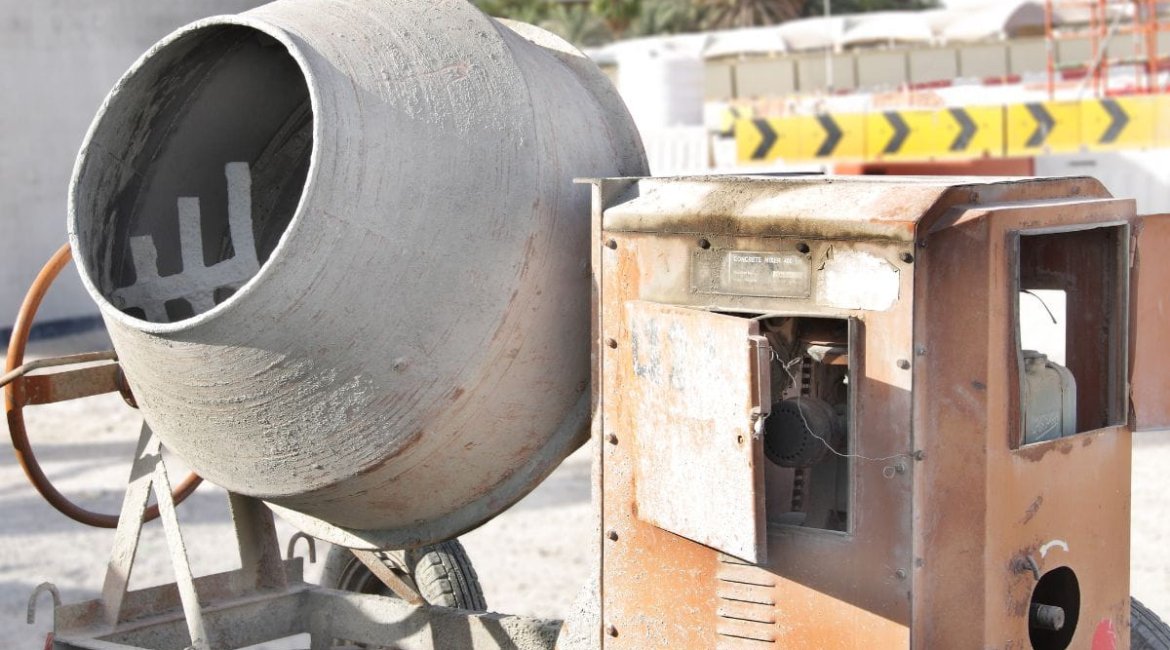
Today, many small contractors start their journey in construction with basic tools, manual mixing, and entry-level concrete mixers that are suitable for light workloads. During the early stages of their career, this approach does make sense; the costs are low, projects are manageable, and the daily output on sites is limited. However, as demand grows and your projects become more frequent, the equipment that may have once worked effectively for you can quietly start holding your business back.
Outgrowing your first setup does not always happen overnight; it’s a gradual process, and becomes clear in slower batching times, inconsistent quality of concrete, a rise in labour costs, and an increase in physical strain on site. At this point, continuing with undersized or overworked concrete or cement mixers can affect your business’s productivity, your project timelines, and even your reputation.
But again, upgrading equipment too fast can be an unnecessary expense, but upgrading too late often leads to more costs in lost time, material wastage, and a compromise on quality. If you’re a small contractor looking to scale in a sustainable way, knowing how and when to upgrade your concrete or cement mixers is a vital business decision. In this BS Power guide, we’re going to help you, the small contractor, identify the signs when it’s time to upgrade and how to do it smartly.
The Early Stages: When Manual Mixing Or Small Mixers Make Sense
For many small contractors here in South Africa, the first phase of growth is usually defined by limited budgets, low daily volumes, and shorter project timelines. During this phase, mixing manually or using small concrete mixers can still be a practical solution, provided that your workload is manageable and your quality isn’t compromised by working faster.
In the early days, your projects are typically smaller and straightforward. Boundary walls, minor paying jobs, repairs and short sections of brickwork do not need high-volume output. When you mix in small batches, you’re able to closely control your material usage, and this will keep your upfront costs low. If you’re a contractor dipping your toes in and testing the market or building up your client base, this approach is adequate.
Even at this early stage, limitations might start to surface. Manual mixing is notably demanding on the body, and inconsistent, and small concrete mixers can struggle to keep up the pace as your batch numbers increase. Your output will slow down, your workers will water for concrete and fatigue will set in, and all of these are signs that your productivity is approaching its ceiling.
Thus, it’s crucial to recognise when this kind of setup is still supporting your work, and when it starts to be restrictive. Small concrete mixers work best when your batch counts are low, your pours are short, and your turnaround times are not critical. As soon as your projects require continuous batching or your deadlines become tighter, the early-stage setup will start losing its effectiveness.
As your business grows as a small contractor, so will the need for more reliable output, and it will increase faster than you’d expect. Many small construction business owners don’t realise that their equipment is holding them back until they face delays and quality issues in their jobs.
When you recognise these warning signs, it will help you upgrade your business’s concrete and cement mixers at the right time, before your productivity and profitability take a hit.

Mixing More Batches Per Day
Perhaps one of the most glaring indicators is an increase in your daily batch volume. If you’re actually running your mixer constantly just to keep up with the demand, this is a sure sign that the capacity is no longer aligned with your workload. Concrete mixers that are smaller need more cycles to produce the same volume, leading to rushed mixes, inconsistent batches, and unnecessary wear and tear on your machine.
When your workers are spending more time waiting for concrete or even manually assisting in the mixing process, your labour efficiency will drop. If you need extra hands just to maintain output, this usually means that your mixer is undersized. Upgrading your concrete mixers will reduce labour hours per pour, which will make your team more productive, without the need for increasing your headcount.
Colour variation, inconsistencies in concrete workability, and uneven curing are all indicators that your mixing is being rushed or overloaded, and these issues in quality mostly trace back to equipment that can’t properly handle the volume that is required. Having reliable concrete mixers will help you maintain consistent mixing times and batch quality on extended workdays.
Overheating, mechanical issues, and frequent breakdowns will slow down your projects and lead to missed deadlines. When your mixers are pushed beyond their intended capacity, your reliability will take a hit. And if downtime becomes a regular problem, it’s normally more cost-effective to upgrade your concrete mixers as opposed to constantly repairing overworked tools.
You’ll put unnecessary strain on your workers if every day they must endure excessive manual mixing, lifting or repetitive mixing. Not only does this slow down your productivity, but it also increases the risk of injuries. Upgrading to better mixers will reduce physical strain and, overall, will also improve your site safety.
If your mixer (or mixers) is slowing down your production, increasing your labour costs, or affecting the quality of your produced concrete, then it’s no longer supporting the growth of your business. Thus, the right time to upgrade your concrete mixers is when they become a bottleneck, and not once they’ve already started to cost you time, money and reputation.
How Does Upgrading Your Concrete Mixers Improve Productivity?
Upgrading your work equipment isn’t only about working quicker; it’s about working smarter. When your concrete mixers are correctly matched to your workload, they remove friction from your day-to-day operations and allow your team members to focus on the job, as opposed to waiting on batches or fixing problems that could have been avoided.
A concrete mixer that is larger and more efficient will produce higher volumes with each cycle, which will vastly reduce the number of batches you need to complete a pour. Basically, fewer cycles equate to less downtime between mixes, smoother workflows, and much better control over setting times, which is notably important on slabs and foundations where timing is everything.
Once you’ve upgraded your mixers to match your workload, you’ll benefit from consistent drum speed, better blade action, and uniform mixes, which will lead to predictable workability and strength with every batch. This will, of course, reduce the need for on-site adjustments and will also minimise the risk of potential defects caused by uneven mixes.
When your concrete mixer does all the heavy lifting, your crew spends less time shovelling, lifting or waiting on concrete, which reduces fatigue, strengthens morale, and allows smaller teams to achieve higher output. In most cases, upgrading concrete mixers results in noticeable, almost-immediate labour efficiency without the need for employing more hands.
Equipment that is undersized or old is prone to overheat, stall, or even break down under pressure. On the other hand, modern, well-constructed concrete mixers are designed to run consistently throughout the workday, which helps contractors maintain momentum and meet their deadlines with far fewer interruptions.
Choosing the right upgrade will transform your concrete mixer from a limiting factor on jobs into your main productivity driver. You’ll end up with faster batching times, much better consistency in mixes, and a dramatic reduction in labour strain, and ultimately smoother operations and higher-quality results as you grow your business.

Concrete Mixers Available At BS Power That Get The Job Done
When the time comes to upgrade your concrete mixer, choosing a machine that is reliable and well-built makes a world of difference on any site. Here at BS Power, we offer a selection of mixers that are suited to the needs of small contractors and beyond to that of larger projects, with every model we stock combining durability, practical capability and performance you can depend on.
360 L Concrete Mixer With Honda GP160 Engine
The 360 L concrete mixer with a Honda GP160 engine is a compact, but capable mixer that’s ideal for contractors moving away from manual mixing or mixing with smaller machines. It boasts a 360-litre drum and Honda GP160 petrol engine, delivering consistent mixing action, ease-of-mobility, and reliable performance for moderate to high day-to-day workloads.
400L Concrete Mixer With Baumax Engine
A step up in capacity, the 400-litre concrete mixer with a Baumax engine is suited to contractors who handle larger pours and higher batch volumes every day. The Baumax RX200 engines deliver robust torque and sustainable performance, which makes them ideal for contractors with heavier workloads and more frequent use.
All concrete mixers stocked by BS Power have been engineered with practical sizes, reliable engines, and sturdy construction, which helps you, the smaller contractor, maintain consistent mixing performance while you scale your workload. So, whether you’re upgrading from a smaller mixer or stepping into the world of consistent, regular on-site batching for the first time, all models we stock provide a dependable foundation for stronger and more efficient work.

Upgrade Your Tools With BS Power
For the small contractor in SA, growth is not commonly limited by demand, but instead by the tools used to meet it. As your project sizes increase and your timelines tighten, your ability, or your team’s ability to produce reliable, consistent concrete, becomes crucial. And this is where choosing the right concrete mixers and upgrading them at the right time has a direct impact on your productivity, quality, and long-term profitability.
When you’re able to recognise the signs that your current equipment is holding back your business, you’ll be able to make informed decisions as opposed to reacting to delays, breakdowns, or quality issues after they happen.
A well-matched concrete mixer will support faster batch turnaround, an improvement in consistency, reduced labour strain, and smoother on-site operations as your workload increases.
If you’re ready to upgrade, visit our website and take the next step in growing your business.