




Concrete mixers are usually seen on large construction sites; however, they are also used in the production of plaster and decorative moulding. If you regularly use plaster in large quantities, or to create decorative building elements, then the right mixing equipment can help to improve consistency, reduce labour and create professional results every time. At BS Power, we understand that reliable equipment is the basis of every step in the construction process. That is why we have mixers that can be used for many kinds of tasks other than traditional concrete work.
Concrete Mixers For Plaster And Decorative Moulding Production
Decorative plaster has been used in architecture for centuries. Plaster is one of the most versatile materials used in residential and commercial buildings, whether it’s graceful ceiling roses, cornices, decorative columns or elaborate wall mouldings. For smaller decorative jobs, hand tools or paddle mixers are generally sufficient, but larger production settings require equipment that can handle larger volumes without sacrificing quality.
They are mainly used for concrete, but many workshops and manufacturers also use them to make up larger batches of adequate plaster mixes. This lets artisans and contractors spend less time hand mixing and more time making decorative products.
Whether you’re producing decorative ceiling components for new homes, mouldings for refurbishment projects or architectural features for commercial developments, reliable mixing equipment helps ensure your workflow is smooth from start to finish. The biggest advantage is consistency. Each decorative mould needs a mixture of the right proportion of plaster and water.
If each batch is slightly different, the final products may vary in colour, strength or surface finish. To reduce these variations, thorough mixing of the materials before pouring into moulds will help, and this can be accomplished by using reliable concrete mixers.
Poor mixing of the plaster may result in dry areas or an excess of water in the mix that can either weaken the finished piece or create defects during curing. This way, you can produce consistent batches, so that you can deliver products to professional standards and reduce the number of mouldings that need to be scrapped.
Tight production schedules are common for many decorative plaster makers. Builders depend on mouldings being delivered on time so they can keep working on ceilings, walls and finishing without delay. Concrete mixers reduce the amount of manual labour involved in the mixing process, enabling the workshop to maintain a constant rate of production throughout the working day.
Scalability is another advantage. For instance, a workshop that produces a few decorative items a week might start by mixing by hand. However, as demand from customers keeps increasing, the need for plaster increases significantly.
Plaster Used In Decorative Moulding
Not all plaster products are the same. Different Decorative applications demand different formulations depending on the desired finish, strength, drying time and installation environment.
Interior decorative mouldings are made of Gypsum plaster, one of the most popular materials. It gives smooth finishes, very fine detail and fairly quick curing. It can reproduce fine patterns and is often used for decorative wall features, decorative panels, cornices and ceiling roses.
For external architectural details, often choose cement-based decorative mixes. These products are more weather resistant and more durable when subjected to moisture and varying temperatures. Decorative columns, window surrounds, balustrades and outdoor ornamentation are often made from stronger cement-based mixes. Some manufacturers use proprietary formulations of plaster as well, which may contain reinforcing fibres or additives that are meant to improve workability, minimise cracking, or increase durability.
No matter what the material, it still has to be mixed. The quality of the finished decorative component is determined long before the plaster reaches the mould. A poor mix can result in air pockets, weak spots, uneven colour or poor finishes. This is the reason why so many professional workshops use reliable concrete mixers to mix large quantities before the casting process begins.
Pouring material into a mould is so much more than just making decorative plaster. Every step has an impact on the final product. First, the workers prepare the mould, cleaning it thoroughly and then applying the release agent where needed. Then the plaster mix should be brought to the proper consistency and carefully poured into the mould. If the mixture is too thick, the fine decorative details may not fill in completely. If too thin, the end result could be weaker or take longer to dry.
Mix them in batches one at a time and mix thoroughly, and you’ll get better consistency each time. Concrete mixers are ideal for workshops making larger quantities of decorative mouldings because sufficient material for several casts can be collected without having to cease and hand mix further batches. This makes the workshop run more smoothly. Workers can be assigned to mould preparations, quality checks, finishing, packaging and installation preparation rather than just being assigned to mixing jobs. Over time, these productivity gains lead to lower production costs while maintaining high quality standards.
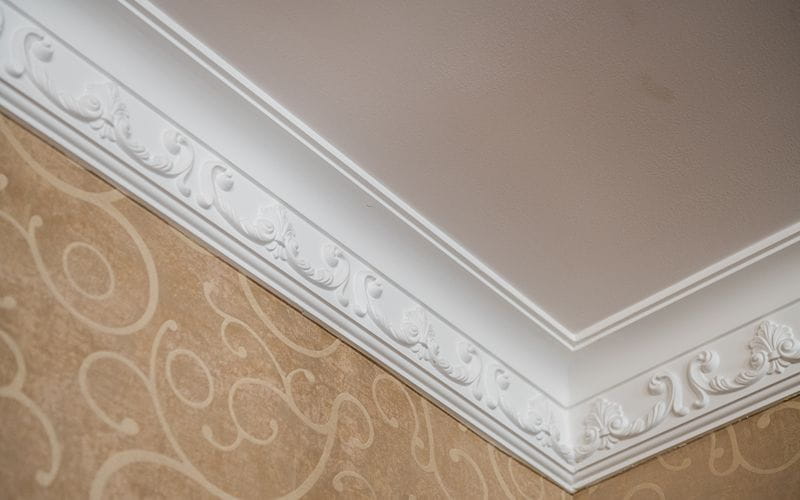
Most often, plaster mouldings are used for decorative ceilings, but there are many other possible applications. Decorative cornices are a popular choice in homes, both traditional and contemporary. They are architectural features that serve to transition smoothly between walls and ceilings, but they also add some visual character to rooms.
Ceiling roses continue to be popular in entrance halls, dining rooms, hotels, restaurants and heritage buildings. Intricate patterns frame light fittings to create attractive focal points. In modern interior design, decorative wall panels have made a comeback too. Texture and sophistication can be added by large, moulded panels without major structural alterations.
Production of moulded plaster components such as columns, arches, fireplace surrounds, decorative niches and feature walls calls for meticulously prepared mixes. Architectural appeal is given by decorative cement-based mouldings outside the building with window surrounds, balustrades, garden ornaments, pillars and exterior trim. Producers make them all year round. Big or small, with good mixing equipment, it’s possible to keep on producing efficiently.
Decorative Mouldings Require Consistency
When making decorative mouldings, consistency is important in every feature. Uniform colour is especially important in the production of matching sets of mouldings. Once installed, each item should be identical. Differences in water content or incomplete mixing can produce very noticeable differences, which are noticed once the products are in place.
Decorative mouldings may look delicate, but they must be strong enough to survive transportation, handling and installation. The badly mixed parts are weak and more apt to crack before they are even put into place. Surface finish also depends on the quality of the mixture. Decorative products are valued for ornamental details. Clean reproduction of all grooves, flowers, curves and decorative edges.
Mixing the plaster properly will help it flow better into complicated mould designs, reducing air pockets and giving a better reproduction of detail. This level of quality will give confidence to workshops supplying builders, architects or restoration specialists for the long term.
Each workshop is unique. Some produce decorative mouldings for local home builders; others make architectural products for commercial developments or restoration projects. The choice of equipment should be determined by the amount of production. Smaller workshops may be able to satisfy the weekly demand with moderate batch sizes. Larger manufacturers, who produce hundreds of decorative items per day, require larger capacity to sustain non-stop production.
BS Power supplies dependable equipment to businesses at all levels of production. The Baumax BS361 360L Concrete Mixer with Baumax RX200 2.1 Engine is the ideal solution for contractors and workshops that demand reliable mixing capabilities. The 400L Concrete Mixer with Honda and 420L Concrete Mixer with Honda Engine offer increased capacity for even larger production requirements while still providing the dependable performance professionals have come to expect from quality equipment.
It’s not just a case of mixing ingredients to make decorative plaster mouldings. From the mixing point on, each stage has a direct impact on the final product. When the plaster is of a suitable consistency it should be carefully poured into prepared moulds, taking care to exclude any unnecessary air. A gentle vibration can be used to help the mixture settle into delicate details, so that every decorative line, curve and pattern is reproduced accurately.
Creating Decorative Plaster With Ease
Decorative plaster continues to embellish homes, commercial buildings, heritage restorations and architectural projects all over South Africa. Behind every well-made cornice, ceiling rose, wall panel or ornamental column there is a carefully prepared mixture which spells the quality of the finished product.
If you are in the business of decorative ceilings, custom architectural mouldings, restoration projects or precast decorative items, having reliable mixers gives you the ability to consistently meet the demands of an ever-growing customer base with reliable results. Good equipment and good craftsmanship can enable you to develop a production process that will produce attractive, durable decorative items. Visit the BS Power website to browse our selection of reliable building equipment.