




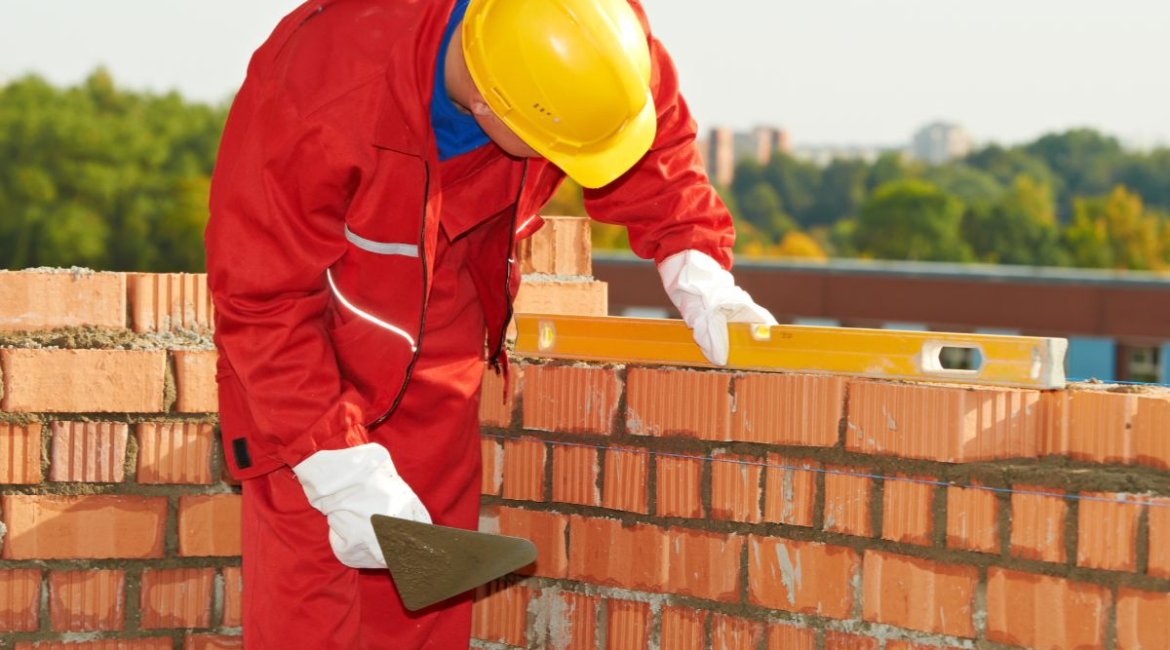
Investing in appropriate concrete mixers for your bricklaying team might seem like a simple task. In reality, the equipment you choose can greatly impact the labour efficiency and productivity of your team. Contractors and workers in the building industry will agree on the importance of efficient tools and how they can affect profit margins. Before investing in a sturdy machine to help the mortar supply flow, there are a few factors to consider.
At BS Power, we understand the constant pressure bricklaying teams experience, having strict timelines to complete tasks. This is why you need a concrete mixer that will match the size of your crew, site conditions and your output target. Why is this important?
Well, if your concrete mixer is too small, teams will have to wait around for batches to be mixed. If the concrete mixer is too large, you will waste fuel and materials. So, the size of the concrete mixer should be carefully considered. Let’s break it down practically.
Why Concrete Mixers’ Size Matters For Bricklaying Productivity
Every builder will agree that mortar consistency and supply rhythm impact face or block laying. The concrete mixer must keep pace with the team’s laying speed. Research into brickwork production shows that labour productivity is influenced by workflow interruptions, the team’s coordination and the supply of materials.
In the academic study published by MDPI titled Towards Human–Robot Collaboration in Construction: Understanding Brickwork Production Rate Factors, researchers studied workflow disruptions and their impact on brickwork output. The smallest of interruptions can affect time-sensitive projects, delaying their completion.
One obvious conclusion from the study, despite its general focus on productivity, directly relates to your choice of mixers: disruptions lower output. Your bricklayers will stop working if your concrete mixer is unable to meet demand. Your cost per brick goes up when they stop. Mixers that maintain a consistent mortar supply without producing too much are what you need. The secret is balance.
Comprehending The Bricklaying Team’s Production
Your team size and output requirements should be taken into account before selecting concrete and cement mixers. Compared to a large crew working across several scaffolding lifts, a small bricklaying team with one bricklayer supported by one or two labourers will need a lot less mortar per hour. Previous brick and block construction productivity studies demonstrate that enhanced process coordination greatly boosts output.
Even though this research is not specifically focused on concrete and cement mixers, it reinforces the notion that efficiency depends on production flow. Your team rhythm will be affected if your mixer does not produce mortar in consistent cycles and in sufficient quantities. A single bricklayer may lay between 400 and 600 bricks per day, depending on the specific site conditions. Larger teams may lay between 1500 and 3000 bricks per day. Your concrete mixer must match the daily output consistently.
Small Concrete And Cement Mixers (360L Drum Capacity)
A smaller concrete mixer makes practical sense when working on residential building projects and running a small team. Compact concrete mixers like the 360L Concrete Mixer with Baumax engine
They are easier to transport, require less fuel and are cost-effective for modest daily production. This model is ideal when your team has limited working space. If you have a small team which consists of one mixer and one to three bricklayers, the 360L mixer will be the ideal choice.
Even though the 360L model is listed as a smaller mixer, a 360L capacity is a substantial amount and will aid your team as the team grows. There are 120-180 L mixers available on the market, but smaller mixers will require frequent batching cycles and require labourers to spend an excessive amount of time loading and restarting the mixer. This will not support the bricklayers with the necessary materials and time to reach timelines. You should calculate whether your chosen mixer allows for a continuous supply without overloading your team. Workflow can be supported by practical sizing.
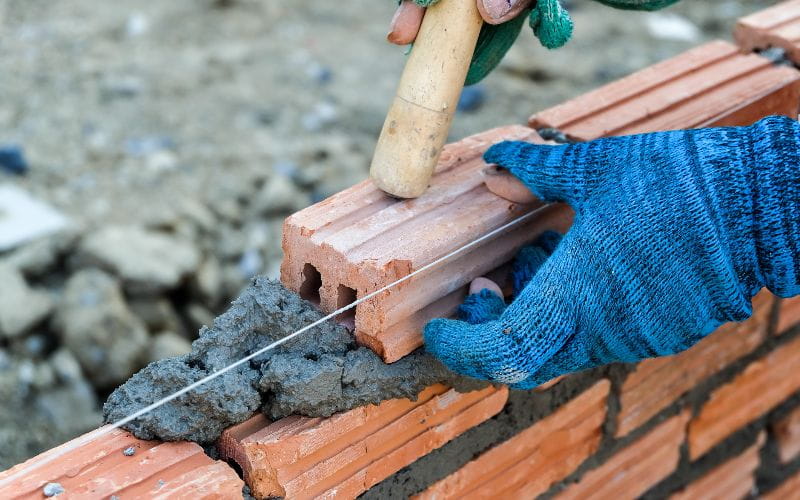
Medium Concrete And Cement Mixers (400L Drum Capacity)
A medium-sized concrete mixer will support most bricklaying teams. They offer the best balance between output and practicality, providing sufficient mortar per batch. The 400L Concrete Mixer with Honda engine is an excellent choice for medium-sized teams consisting of multiple bricklayers. The size of this mixer will reduce batch quantities while remaining manageable for teams to transport around the worksite. This machine is recommended for residential and light commercial projects.
If your team consists of four to six bricklayers supported by dedicated labourers, the 400L concrete mixer with Honda engine is a practical size. These machines prevent the constant restarting of mixing cycles, improving workflow. A mixer that reduces waiting time and supports the bricklayer’s rhythm is a valuable asset. This mixer delivers the highest return on investment for contractors, aligning capacity and operational demand.
Large Concrete And Cement Mixers With A Drum Capacity Of 500L Or More
Although large mixers are strong devices, bricklaying crews may not always find them useful. If you oversee several bricklaying gangs at once, manage large commercial brickwork projects, or need to supply mortar over large site footprints, these concrete and cement mixers might be right for you. High-capacity concrete mixers can support continuous high-volume output in these situations and minimise the number of batching cycles needed.
But there are drawbacks to large concrete mixers as well. Generally speaking, they use more fuel, are more challenging to transport, and could result in more material waste if output surpasses real demand. If you require a substantial supply of mortar to support a large bricklaying team, the 500L mixer will deliver far more benefits than drawbacks.
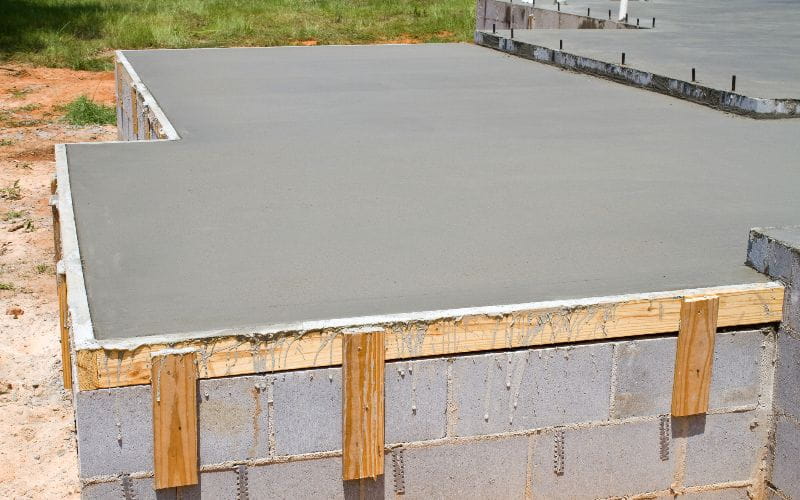
Site Safety Considerations
Before investing in a concrete mixer, safety should be considered, as this will influence your decision as strongly as productivity. The constant exposure of vibration and noise can drastically affect workers over time. You should consider whether your mixers are easy to clean safely and whether they remain stable on uneven terrain. Broader construction hazards, such as musculoskeletal injuries, can be minimised with the correct safety procedures.
If not handled properly, larger concrete and cement mixers will increase lifting strain and transport risk. Therefore, when selecting mixers, you must consider safety compliance and responsible operation.
The Relationship Between Mortar Consistency And Mixer Size
Consistent mortar quality is crucial for bricklaying. If water ratios vary over large drum volumes, oversized concrete and cement mixers may cause batching problems. Consistency is crucial for material performance and structural reliability, according to new research on concrete workability and process monitoring.
The concept is still directly applicable to your everyday operations, even though this study focuses on sophisticated monitoring technologies. Quality is enhanced by repeatable and controlled mixing. You might rush batches or make erratic water adjustments to make up for volume if your concrete mixers are too big for the amount of mortar you need each day.
They promote measured batching and consistent ratios, smaller or medium-sized mixers frequently enable better quality control for bricklaying mortar. Professional finish quality, bonding strength, and structural integrity are all supported by consistency.
Mobility And Fuel Type
Rarely do bricklaying crews stay still for the duration of a project. Your mixers must travel with you as building sections are completed and scaffolding lifts are modified or moved. Your concrete mixer needs to be portable and stable if your projects include moving scaffolds or phased housing developments.
Repositioning large concrete and cement mixers can be dangerous and time-consuming, especially in confined spaces. Greater manoeuvrability is offered by smaller and medium-sized mixers, which has a direct effect on workflow efficiency. When selecting your concrete mixer, you should consider factors like wheel durability and ease of repositioning. A practical concrete mixer is not defined solely by drum size; they are defined by how well they integrate into your site layout and movement patterns.
In South Africa, bricklayers rarely make use of electric mixers. This is due to the cost of fuel as well as the unpredictable power availability, which greatly impacts working timelines. Therefore, a team will typically choose between a petrol or diesel mixer to get the job done. Mixers, which are fuel-powered, can be used in remote locations or areas with little to no infrastructure. The size of your concrete mixer will impact its engine load as well as operating costs.
A larger concrete mixer will naturally require larger quantities of fuel. Larger models also have greater maintenance demands. If your team does not require a high-volume output. You can calculate your daily mortar volume and expected batch frequency. This will help you determine the fuel cost per hour and engine maintenance intervals.
Concrete mixers in the 360-litre range are typically useful if you work with three or four bricklayers because they offer balanced batching without causing undue oversupply. Mixers in the 400-liter range typically offer the best balance between capacity and manageability for teams of five to six bricklayers.
Larger concrete and cement mixers, larger than 500 litres, may be required to meet demand when working with seven or more bricklayers or multiple teams at once. Mixers should always be matched to current daily demand rather than anticipated future expansion. Overestimating capacity can lead to waste and needless expenses.
BS Power: Selecting The Practical Concrete Mixer For Your Bricklaying Needs
Concrete and cement mixers shouldn’t control your workflow; they should support your team. The 200- to 350-litre medium-sized mixers are the most practical option for the majority of bricklaying teams because they offer a sufficient batch capacity, minimise refill cycles, maintain manageable transport weight, balance fuel consumption, and support a steady workflow rhythm.
While larger concrete and cement mixers might work well for large commercial projects with several active gangs, smaller mixers are frequently best for small residential builds. How many bricklayers are actively laying, how often you batch mortar, how much downtime you currently experience, and whether your concrete and cement mixers are enhancing or disrupting your site rhythm are all important factors to take into account when evaluating mixers for your company.