




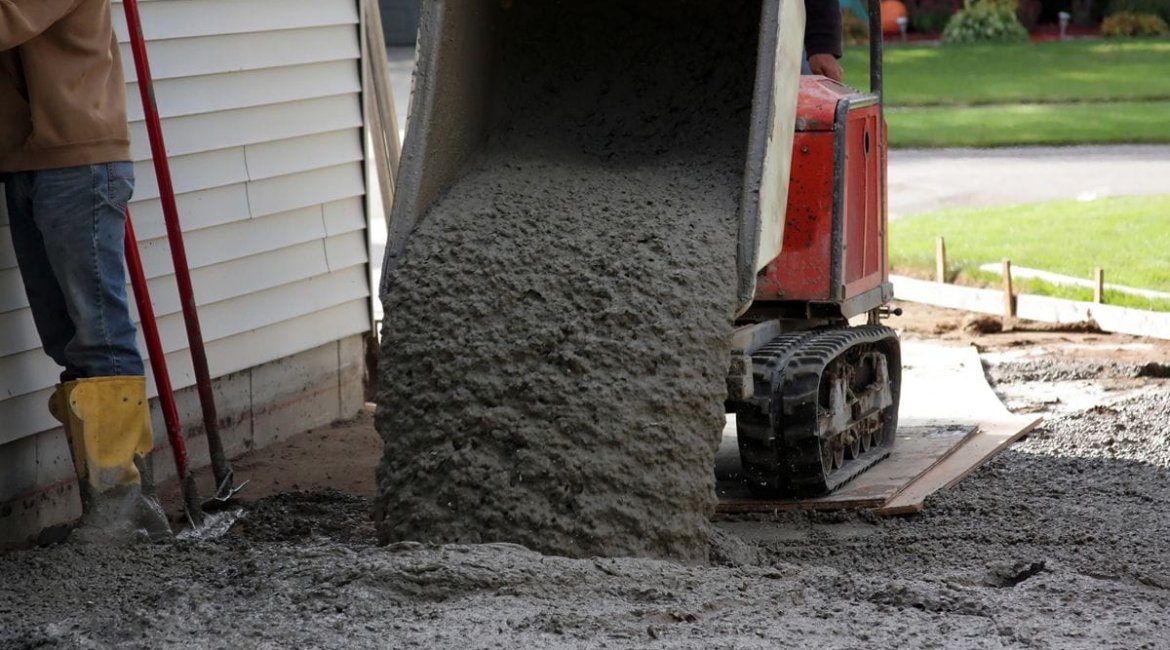
- Explains why a concrete mixer’s actual output per hour is more important than its advertised drum capacity when choosing a machine.
- Covers how to calculate the required output based on project size, batch volume, mixing cycle time, labour, and site conditions.
- Highlights how to match the right concrete mixer to project requirements, featuring BS Power’s 360L and 420L Baumax models.
If you are considering a concrete mixer for sale, the one piece of information that should guide your decision is not the drum size, but the output figure. Output shows you the maximum amount of practical concrete a machine can pack into a mixer over a period of working time, and that is the figure that’s most likely to make contractors either suffer delays by waiting for a mixer or waste money by over-specking to a capacity. Here at BS Power, we speak with owner-builders, small contracting groups and renting businesses every week who are struggling to align a machine with a project, and the most common conversation isn’t about output, or even litres of drum capacity; it is the loading time. In this quick read, we will discuss the key factors to consider before purchasing your new mixer.
Why Output Matters More Than Drum Size When You Browse A Concrete Mixer For Sale
On every concrete mixer for sale, you will find a drum volume usually somewhere between 350 and 500 litres for the sorts of machines that most contract builders and owner-builders purchase. How much material a drum will physically contain is one thing; how much finished concrete will be pumped out of it in an hour, though, is quite another.
Twenty times out of twenty-two, a 420 litre unmixed drum will only produce 220 litres of ready-to-pour concrete per batch. This batch still has to be loaded, mixed, and discharged, of course, before the next batch can begin. Two 420 litre mixers will therefore pump quite different volumes of concrete throughout a working day, due to differences in their cycle times, engine powers and operator loading and discharging techniques.
This is why we always recommend starting backwards from your project instead of forwards from a spec sheet. Work out exactly how much you need to pour, then use that number to identify whether a particular mixer is going to be able to stay ahead of your crew, your formwork, and the weather window. When you do start shopping for a concrete mixer, bringing your own figures to the table means comparing model to model will be much more straightforward; you will be comparing each mixer against a true benchmark, not merely a brochure.
Start With Your Project’s Concrete Demand
But before you can determine the correct output, you need a realistic idea of how much concrete the project really needs and over what schedule. For a small slab or a couple of foundations, it could be one or two cubic metres in a single morning. For a drive or a retaining wall or a foundation on a larger building site, it might be anything from five to fifteen cubic metres over one working day or another, sometimes constrained by a fixed delivery schedule from a ready-mix truck or a booked concrete pump.
Split the job into stages, not one lump sum, because footings, the slab, the walls, and the topping layers may need distinct volumes, and there are vastly different time constraints on each stage. If your mixing machine always meets the needs of your footing pour, it may not be able to provide enough concrete for a much larger slab crew without breaking the flow of the concrete. List how many cubic metres you will need to pour each stage, and how many hours you can realistically take to pour it, as this is what you enter when figuring output.
Batch Volume And Mix Cycle Time
The key variables for every output calculation are the batch volume, which is essentially the finished mixed volume, and the mix cycle time, which is the time taken for one batch. The batch volume is the total dry and wet mix volume which a batch produces. It is always less than the rated capacity of the mixer, as relatively dry materials require significant space to tumble about and blend. Manufacturers often provide a mixed capacity figure separately from their unmixed capacity figures, and this should be used in calculations.
Mix cycle time is just how long one cycle takes, from loading to discharge, usually given in minutes. Most mid-sized petrol mixers, designed for site work, operate at a mix cycle of approximately a minute and a half once the operator has gained a good rhythm, although this can run to closer to three minutes when loading is slow, the mix ratio needs changing, or the discharge rate is hard to reach. Decelerated loading, more barrow runs to the pour point and stops for topping up the water all add important minutes to a theoretical cycle time, so the published figures should be treated as the minimum and not the guaranteed figure.

Turning Batch Data Into An Hourly Output Figure
From that, the calculation itself is quite easy: we take a factor of sixty minutes and divide it by the mix cycle time in minutes. The answer shows us how many machine cycles it might be able to run in an hour (this is normally a conservative estimate). Then simply multiply that number of batches by the volume per batch, and you have the concrete mixer’s hypothetical hourly volume: with a 200-litre batch size and a two-and-a-half-minute cycle time, you are looking at around twenty-four batches in an hour, which, at that rate, theoretically equals around 4.8 cubic metres. In practice, you probably want to take that figure and reduce it by about fifteen to twenty-five per cent to compensate for mixing jams, the need to top up once the materials run low, operator downtime where long shifts are required, etc.
Run this same calculation for your project’s required volume and the hours you have available, and you will quickly discover whether a given concrete mixer, regardless of brand or drum size, will be a comfortable or cramped fit for the job at hand. If your calculation tells you that you need five cubic metres in four hours and your candidate mixer brings only three in that span, you either face a longer day than originally planned or a machine that is too small for the job at hand. It is well worth doing this calculation on every concrete mixer for sale on your shortlist, as two machines that are nearly identical in price can have vastly different output once cycle time and batch volume are factored in.
Matching Output To Crew Size And Site Access
Output on paper only becomes output on site if your crew and your access can sustain the pace of the mixer. A 4m³/hr concrete mixer is useless if you do not have sufficient labour to feed the aggregate, cement, and water into the drum in the required 2-minute intervals while bulk hauling and placing the previous batch. Smaller crews are often the number one culprit in making an otherwise excellent mixer look like a lemon.
Site access is equally important. What is the point in having a mixer with high theoretical output if you have problems tipping the aggregate due to a high loading height, or if the discharge height does not clear your wheelbarrows, causing double handling for each batch? Make sure you visit your site and visualise loading and discharge locations relative to the actual size of the machine before choosing a for-sale unit, as the incorrect matching will cost you time no matter how quickly the drum whizzes around.
Track width and manoeuvrability warrant equal consideration, mainly on cramped city excavations or sites with uneven terrain, like steps or slopes, between the mixer and the pour. An affordable cement mixer with towable wheels and a slim profile can make several significant savings for your team through a construction project by allowing it to be more easily moved near the point of each successive pour instead of moving barrows.
A Mixer Worth Considering From Our Range
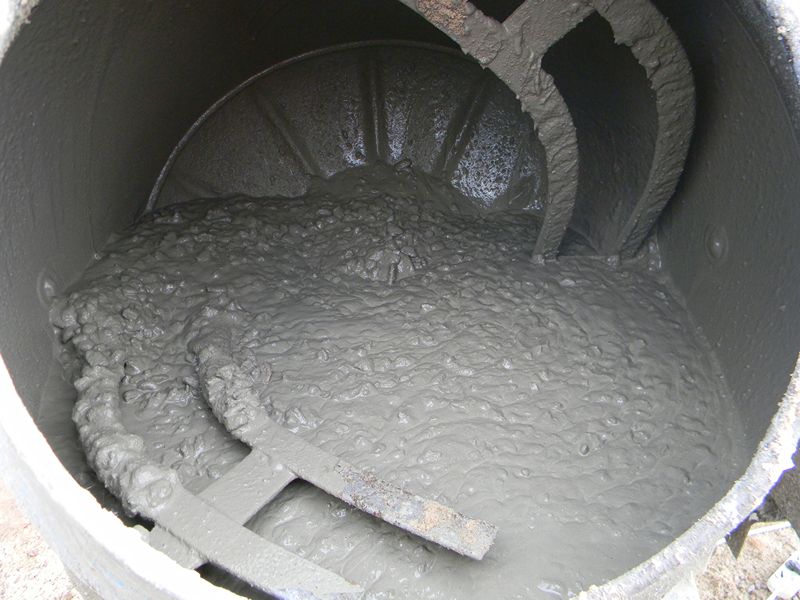
We carry a complete range of Baumax and Honda-powered machines, and if you are looking at our concrete mixer for sale range, two models do seem to be part of these conversations fairly often, so we thought we would mention them here. The 420L Concrete Mixer with a Baumax engine has a drum capacity of 420 litres, an empty drum size of 320 litres and a mixed output of 220 litres per batch.
Powered by a 6.5HP Baumax RX200 petrol engine, it has an average mixing cycle of just under two and a half minutes. Given the extended cycle time, this would seem to be around four cubic meters per hour (after taking any natural loses/ breaks into account), making it an ideal size for a small driveway pour or small wall or footing where two or three men need a strong, reliable flow.
Whether you are looking for the larger-capacity, Baumax-powered 420L concrete mixer or the more compact, easy-to-manoeuvre 360L version for your next big job, calibrating output to need before you buy is what keeps the project moving ahead of schedule. Rely on BS Power to crunch the numbers specific to your needs, so you get a mixer right sized from the first load.