




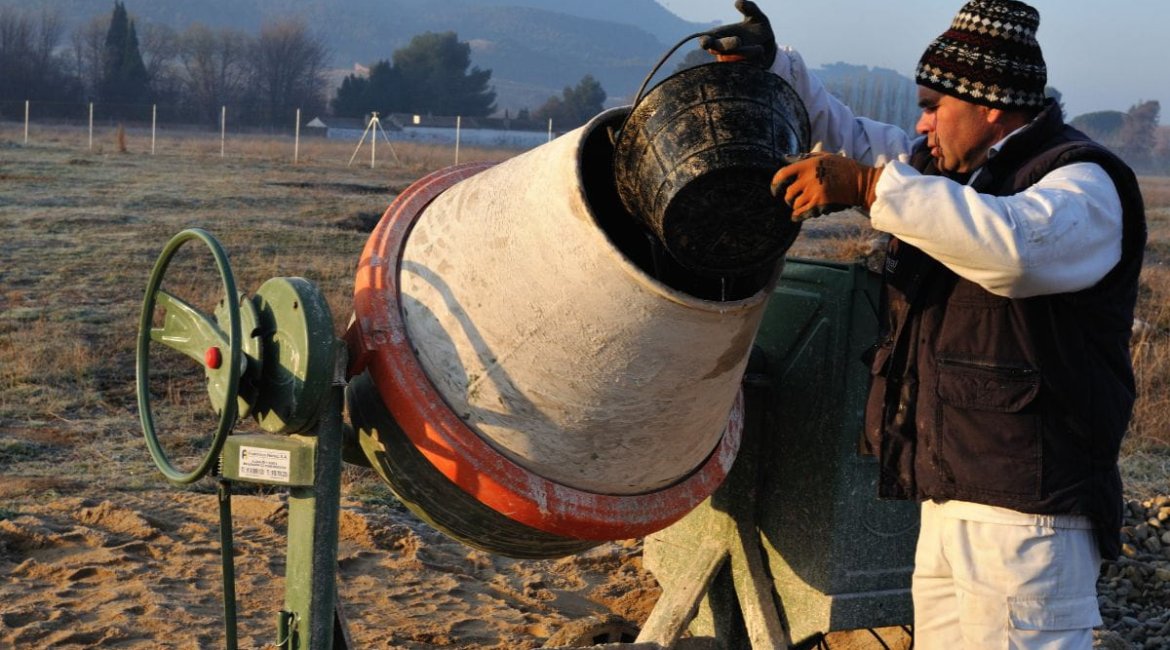
Selecting the right concrete mixers for any project is not only about the capacity of the machine or the cost but also about ensuring that every batch you produce is consistent, reliable, and suited to the unique demands of your project or build. Here in South Africa, where conditions on construction sites can vary dramatically, from tightly squeezed urban sites to remote locations with limited access to ready-mix suppliers, on-site mixing remains one of the most efficient ways to keep a project on schedule.
And for this reason, professional contractors, growing construction teams, and even DIY builders rely mainly on concrete and cement mixers that are dependable to produce the quality and volume they need for their jobs. Of course, not all concrete and cement mixers perform the same.
The size of your job, your mixing frequency, the engine powering your drum, and even the terrain you’re working with all have an influence on the machine that can actually save you time, labour, and, of course, money. Understanding what separates a 360L mixer from that of a 400L, or even a 600L model, can mean the difference between a smooth job and costly delays.
Step One: Understand The Project Requirements
Before you even narrow down on choosing the right concrete and cement mixers for your needs, you first need to understand the scale and demands of the project. Every build, from simple home renovations to multi-unit developments, comes with different expectations for your mixing equipment. If you choose a mixer without first aligning with your actual workload can lead to slow progress, inconsistent batches, increased fuel usage, and unnecessary labour costs.
Smaller Projects
Say you’re going to be working on jobs like boundary walls, patch-and-repair work, paving, small foundations, braai areas, or standalone garden structures, you won’t need high-volume mixers. These jobs commonly require modest batch sizes and notably shorter mixing cycles. Choosing a compact mixer will keep your costs down and reduce material waste, especially when every pour will be relatively small.
Medium Builds
If you’re mainly going to be working on home extensions, garages, carports, moderate slab work, or any similar projects, then this is where throughput becomes more crucial. For these kinds of jobs, you need mixers that can handle multiple batches per day without the risk of overheating or slowing down your workflow. But consistency also matters; poorly mixed concrete at this scale can lead to poor structural performance.
Large-scale construction
If you’re going to work on house builds, multi-unit projects, or continuous slab and column work, you need robust mixers that are built for endurance and output. These kinds of job sites typically run all day and require machines that can deliver large, uniform batches efficiently. At this level, capacity and engine strength will directly affect your project timelines.
Step Two: Choosing The Right Capacity
Your next step is selecting the correct drum size, and it is one of the most important decisions you need to make when you’re evaluating concrete mixers. The drum capacity will determine how much concrete you can produce per batch, how fast you can move through your workflow, and ultimately how efficient your team will be in meeting project deadlines.
Engine performance and build are also critical, but capacity is the factor that most directly influences your productivity on-site. At BS Power, we stock three core sizes: the 360L, 400L, and 600L, each one designed for specific job types and levels of job demand.
360L Concrete Mixer With Honda GX160 Engine
Our 360L model is perfect for builders who have priorities in portability, fuel efficiency, and controlled batch sizes. These concrete mixes do well on tasks where precision is key and matters more than high-volume output. Boundary walls, paving, light foundation work, home renovation, DIY building, landscaping and smaller contractor jobs with intermittent mixing cycles.
A 360L drum gives you enough capacity to maintain reliable output without putting too much strain on your crew members, and also reduces material waste, which makes the practical, budget-friendly choice for construction teams who don’t need constant, high-volume batches.
400L Concrete Mixer With Baumax Engine
If you’re in need of a dependable balance of batch volume, mobility, and day-to-day output, then the 400L concrete mixer with Baumax engine is where most contractors in South Africa will find that sweet spot. These mixers are best suited for residential jobs, extension slabs, medium-sized projects and small builders who require consistent throughput every day.
500L Concrete Mixer With Baumax Or Honda Engine
If your projects require continuous mixing, large slab pours, or production on a commercial scale, then a 500L mixer is your workhorse. These high-capacity mixers are useful for rapid, large-batch output and reduced mixing cycles per job. They are also useful to lower labour hours per cubic metre of concrete produced. If you’re a contractor working on multi-unit developments, large foundations, agricultural builds, or civil projects, you’ll benefit from the increased efficiency and reliability that a 500L mixer provides.
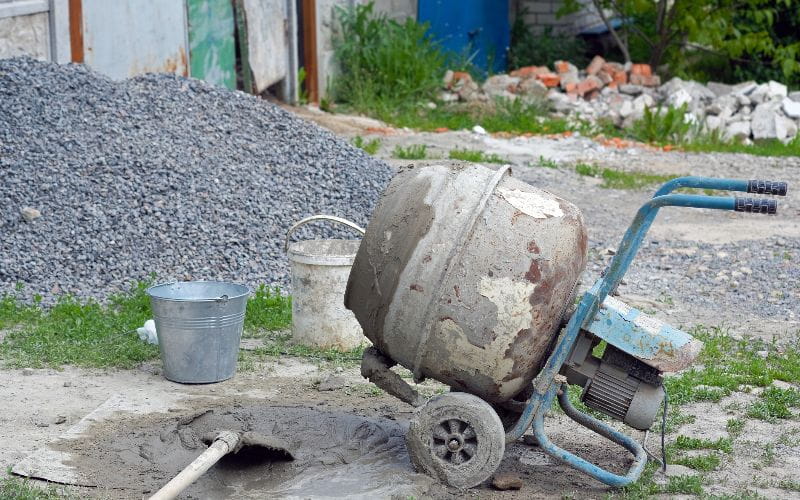
Step Three: Engine Power & Performance
The capacity or drum size is only half of the story, as the engine or motor that powers the drum is as critical. For instance, a mixer with a drum that is large but has a weak engine will always underperform, and a strong engine will give you reliability, better quality mixers, and the flexibility you will need across jobs.
Concrete mixers can be powered by electricity, diesel, or petrol, and each has its own pros and cons. Petrol, or diesel engine mixers give you mobility, self-contained power and high torque, which makes them ideal for remote job sites, uneven terrain, and where electricity is unavailable.
Electric mixers are best suited for jobs in stable, powered environments, like workshops or urban sites, as they deliver smooth, low-maintenance operation with less emissions and less noise, but their capacity is limited, and they need a reliable power supply.
Now, the power of the engine or motor, specifically the torque, affects how your drums turn when loaded with wet, heavy concrete. If your mixer does not have enough torque, you risk slower mixing times, uneven mixes, and even engine strain and potential breakdowns.
A strong petrol engine, like a 4-stroke engine that is commonly found in high-quality concrete mixers, can take on heavy, dense mixers and maintain consistent speeds even when the drum is fully loaded.
This leads to more homogeneous concrete batches, which reduces the risk of weak spots or poor curing due to uneven mixing, which is one of the main advantages of mechanical mixers over manual shovelling.
Beyond raw power, the actual build quality of a mixer, the frame, drum, paddles, and chassis all play a big role in ensuring long-term performance. We recommend choosing mixers with thick-gauge steel drums, reinforced rims, robust welded paddles (not just bolted), and a strong, powder-coated frame that can resist rust, wear and tear under constant, heavy use.
If you’re using petrol-powered mixes, regular maintenance, such as oil changes, air-filter cleaning, and general engine servicing, is necessary, but these models do offer flexibility and endurance for heavy-duty and long-duration jobs. On the other hand, electric mixers might require less frequent maintenance but are also limited by access to power; their lower vibration and simpler motors can be an advantage in indoor or noise-sensitive environments.
Step Four: Considering Your Site Conditions
Even if you select the right size and engine, a concrete mixer only performs at its best when it’s properly matched to the environment it will be used in. And as construction sites vary dramatically in South Africa, from urban backyards with paving to remote rural areas with uneven terrain and no power, having a proper understanding of your site conditions will help ensure the mixer you select works with you and not against you.
Before you select a mixer, you need to assess how easy or difficult it will be to transport and position.
Tight access, narrow driveways, alleyways, and compact suburban yards often need lighter, more manoeuvrable concrete mixers like a 360L or 400L model. Rough ground, rural terrain, rubble, or areas that are sloped require strong wheels, a stable chassis, and a durable frame. If you’re a contractor who shifts from site to site, you will benefit from a petrol-powered unit that doesn’t rely on a power outlet.
Every project comes with different mixing rhythms. Some might require continuous batches for slap pours. Some might need intermittent batches for brickwork or small structures, and others might need timed batches that align with crew readiness and project phases.
A high-capacity, petrol-powered mixer easily runs during continuous cycles, while smaller mixers are better suited for intermittent work. Basically, your batch timing affects how you allocate labour, the mix quality, concrete setting times, and project speed.
The conditions of the ground you’re working on impact safety and operation. A concrete mixer has to be placed on a firm, level surface to ensure proper drum rotation, reduce the risk of tipping and produce even mixing results.
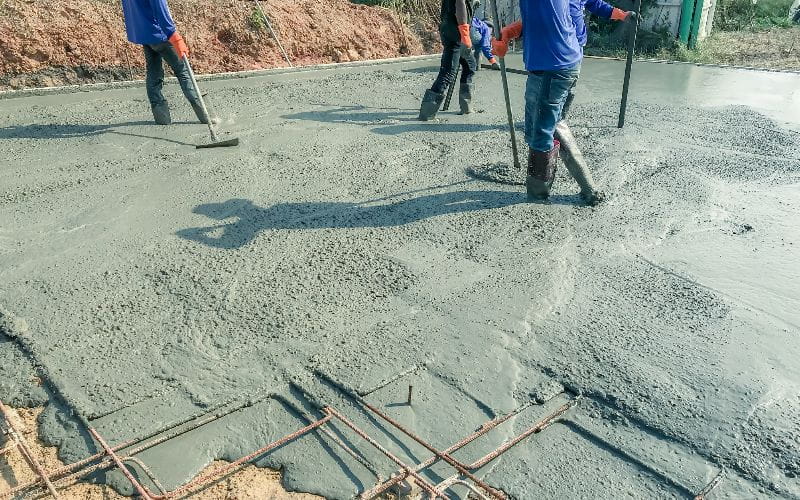
Step 5: Maintenance, Durability And After-Sales Support
Even the best concrete mixers out there will only perform at peak if you properly maintain them. A well-built machine is an investment, and one that will last for years if you take proper care of it.
As concrete residue hardens fast and places unnecessary strain on your drum paddles and engine, a simple rinse and clean after every use helps prevent buildup and will protect your drum from premature wear and cracking.
If you’re using petrol mixers, then regular oil checks, air-filter cleaning and regular servicing will ensure consistent torque and reliability, especially if working on high-output sites. Having a well-tuned engine will reduce downtime and maintain your batch consistency.
We always recommend opting for a mixer with a thick steel drum, reinforced rims, solid gear rings, and sturdy frames, as these resist corrosion, vibration damage, and heavy-duty use. By having reliable after-sales support, access to spare parts, and technical guidance, you will definitely extend the lifespan of your mixer. Buy from a reliable supplier like us at BS Power, and you’ll have backup when you need it most.
Choose BS Power For Reliable Mixers
Selecting the right mixer comes down to understanding your project needs, the correct capacity, and an engine and build quality that can handle your environment. For more expert guidance and durable concrete mixers suited for South African job sites, visit the BS Power site today or speak to one of our team members for your personalised recommendation.